






Skip to content

Image Annotation

Empowered by an in-house expert team and experienced in many annotation tools, we deliver superior-quality training datasets that fuel high-performance computer vision models

Are you looking for Image Annotation Services?

Image annotation plays a critical role in computer vision, yet it can overwhelm AI start-ups and SMEs with heavy workloads and operational challenges. Building and maintaining a skilled annotation team takes valuable time away from product development and innovation

Outsourcing your image annotation gives you scalable accuracy, reliable workflows, and complete transparency, ensuring your AI projects run efficiently without compromising control

Image Annotation Type

Diverse Data Types for Image Annotation

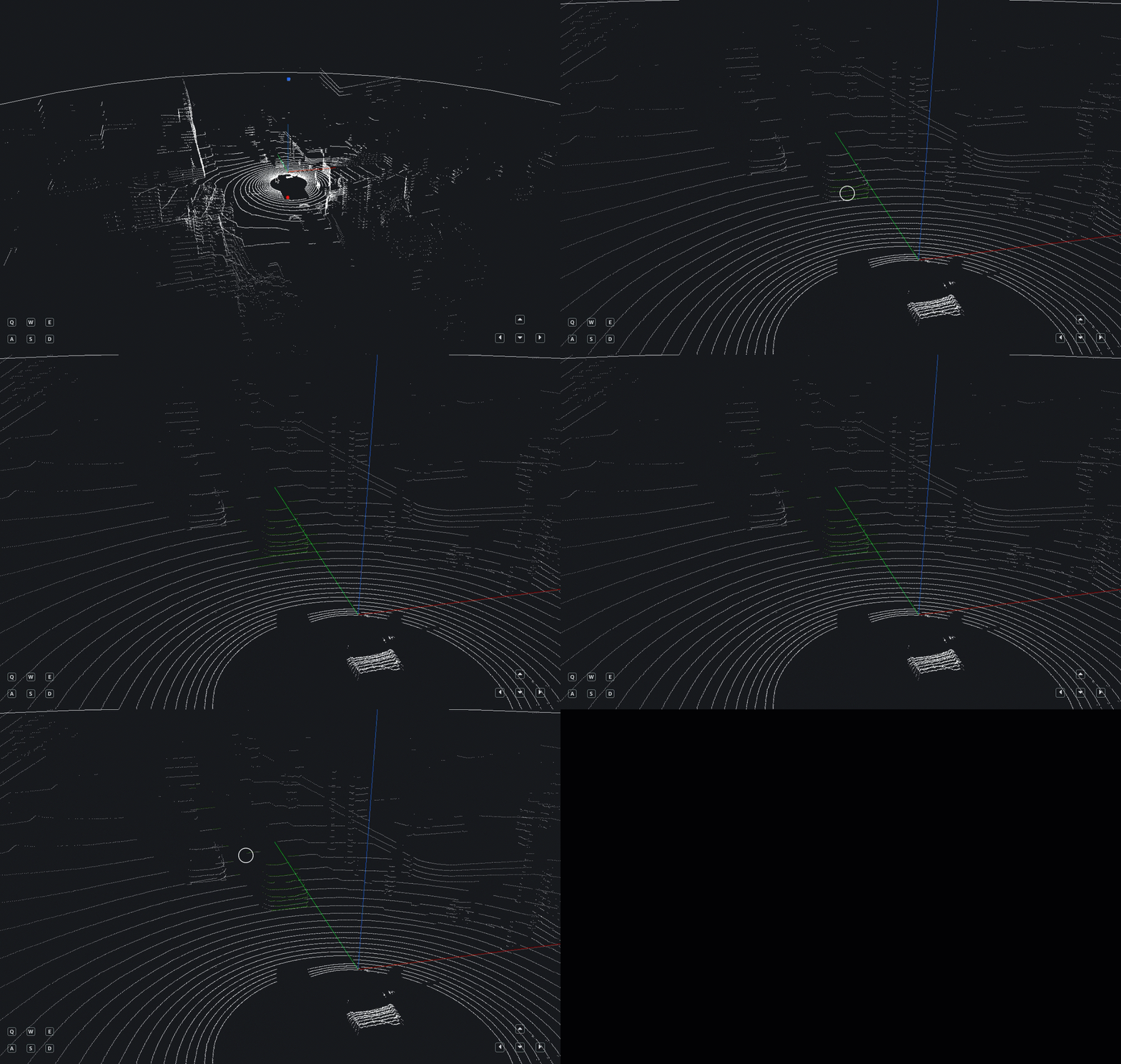
1. 3D POINT CLOUD

Enhance your models with high-quality 3D annotations. Our team supports ADAS, construction monitoring, and more through expert LiDAR and point cloud labeling for precise spatial understanding and object recognition

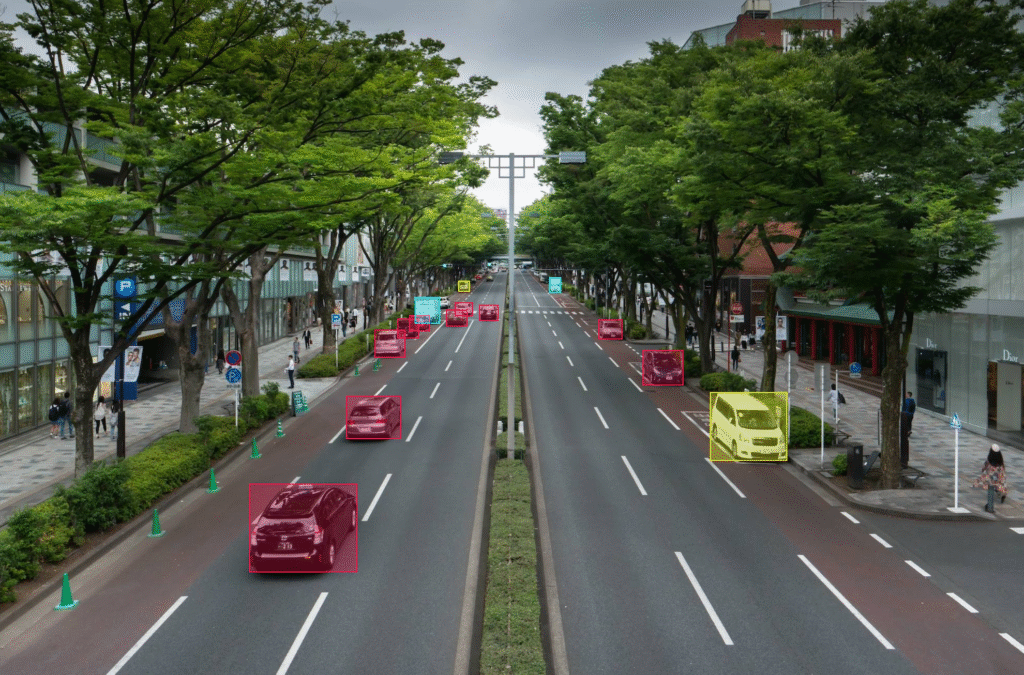
2. BOUNDING BOX

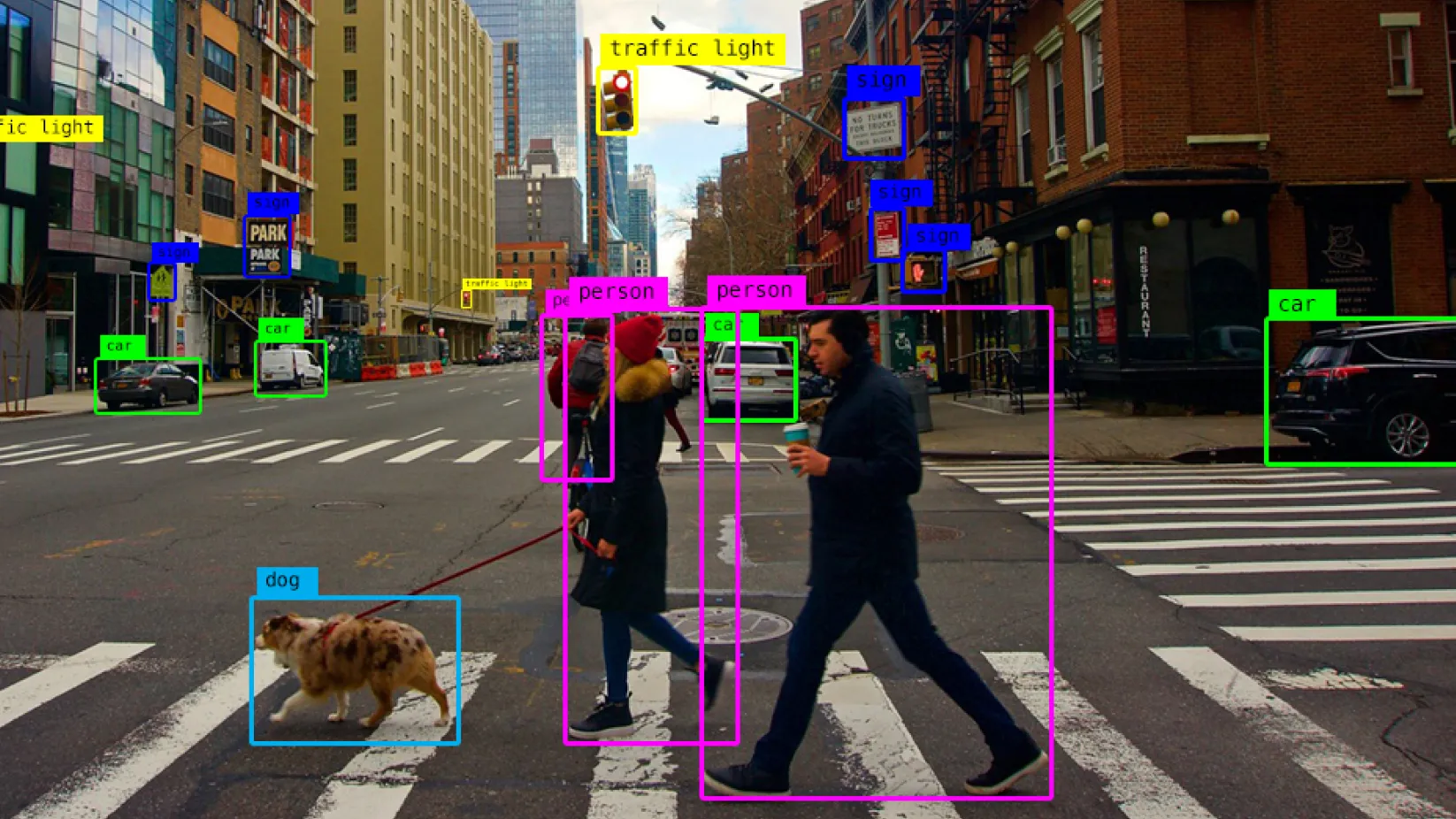
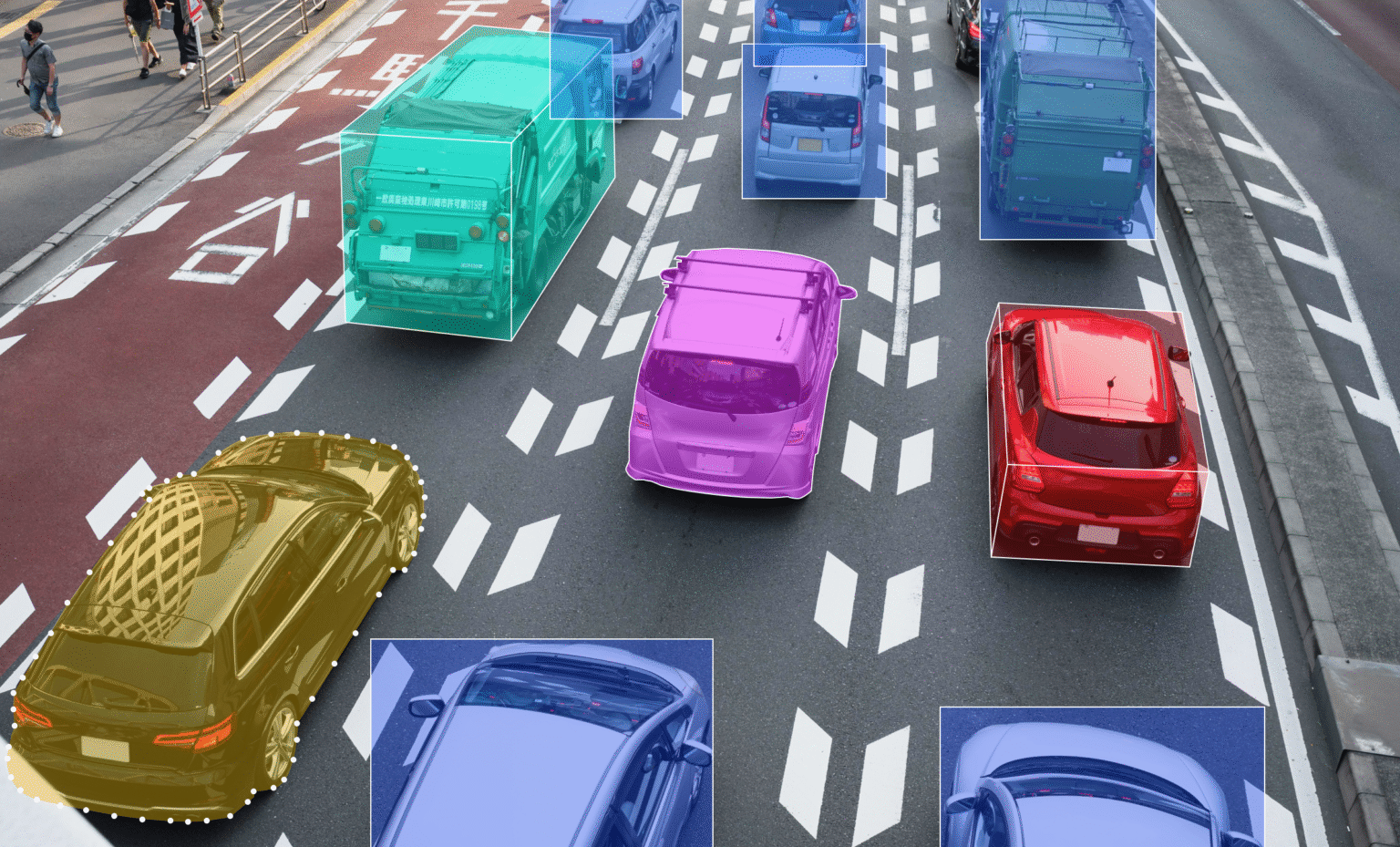
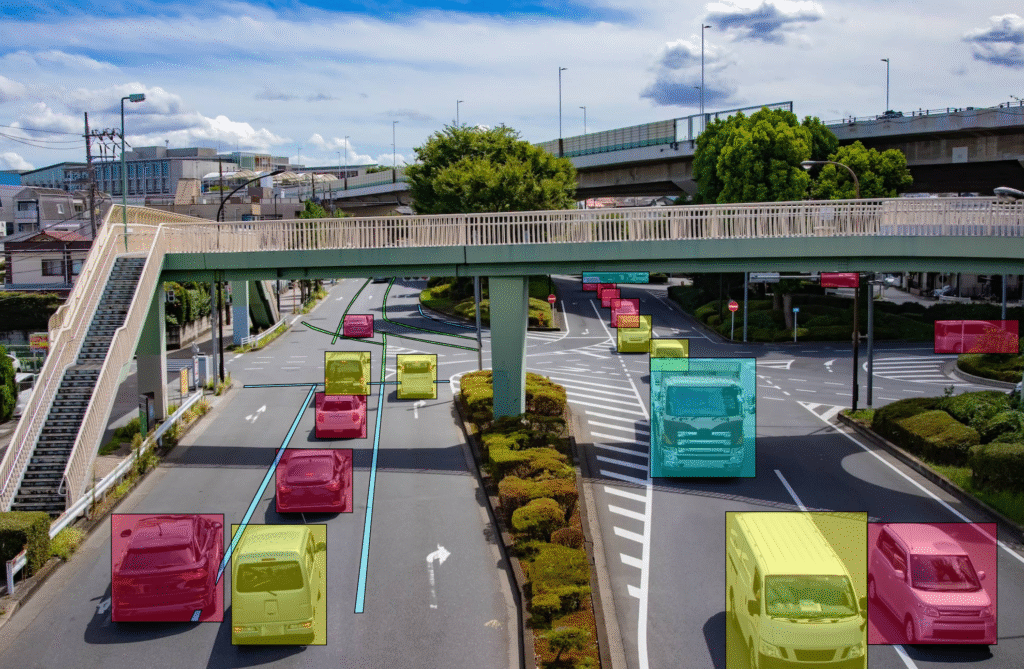
Our most common method: fast and effective bounding boxes to identify target objects. Drawing rectangular boxes around objects in an image or video to mark their location and size for computer vision tasks like object detection

3. ORIENTED BOUNDING BOX

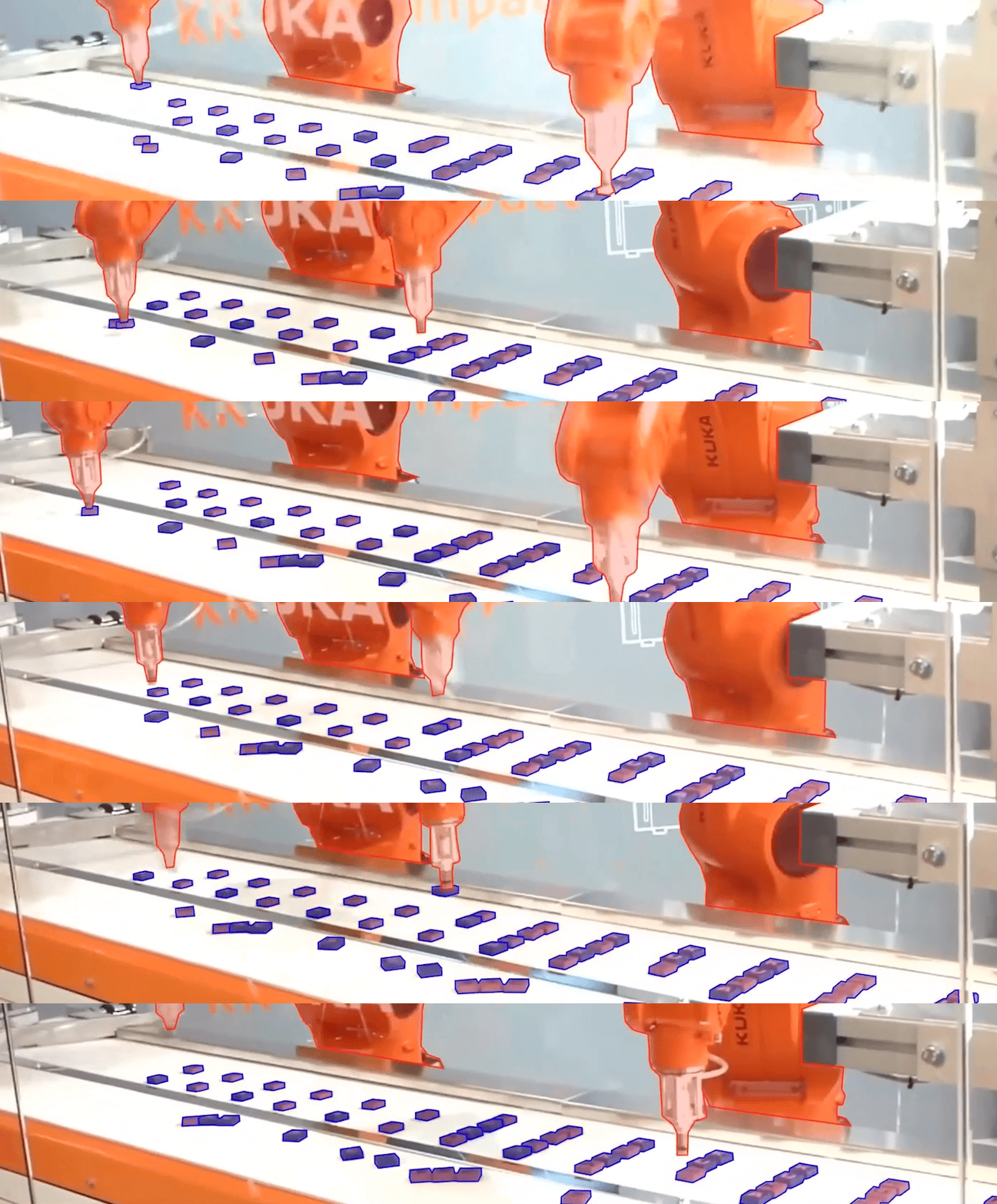
A more accurate method for marking objects compared to the bounding box method, especially for those that aren’t aligned to horizontal or vertical axes, ensuring precise orientation and high-quality datasets

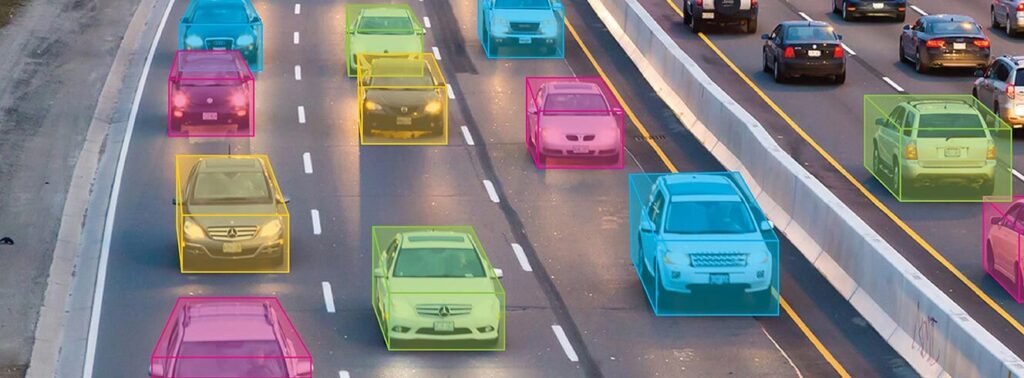
4. CUBOID

This method adds depth, width, and height to three-dimensional objects in images using 3D bounding boxes (cuboids), creating a more detailed and accurate understanding of the scene

5. SEMANTIC SEGMENTATION

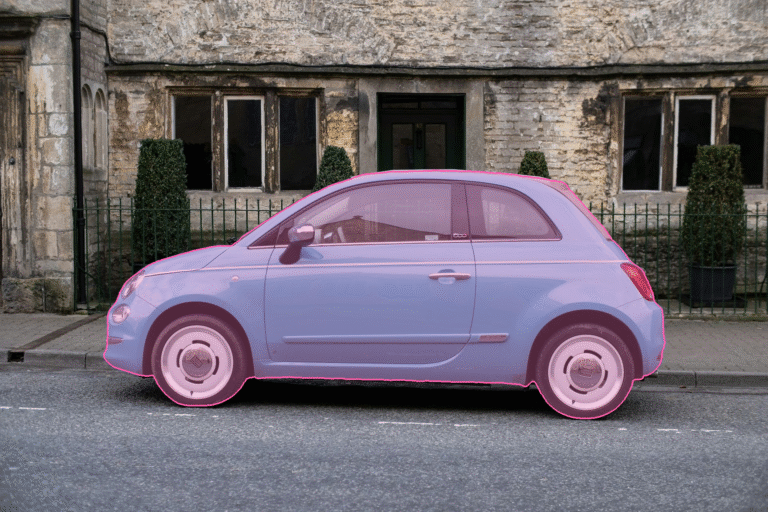
Separates image pixels into classes for highly accurate annotation. Objects are precisely outlined, and both foreground elements and backgrounds are carefully labeled

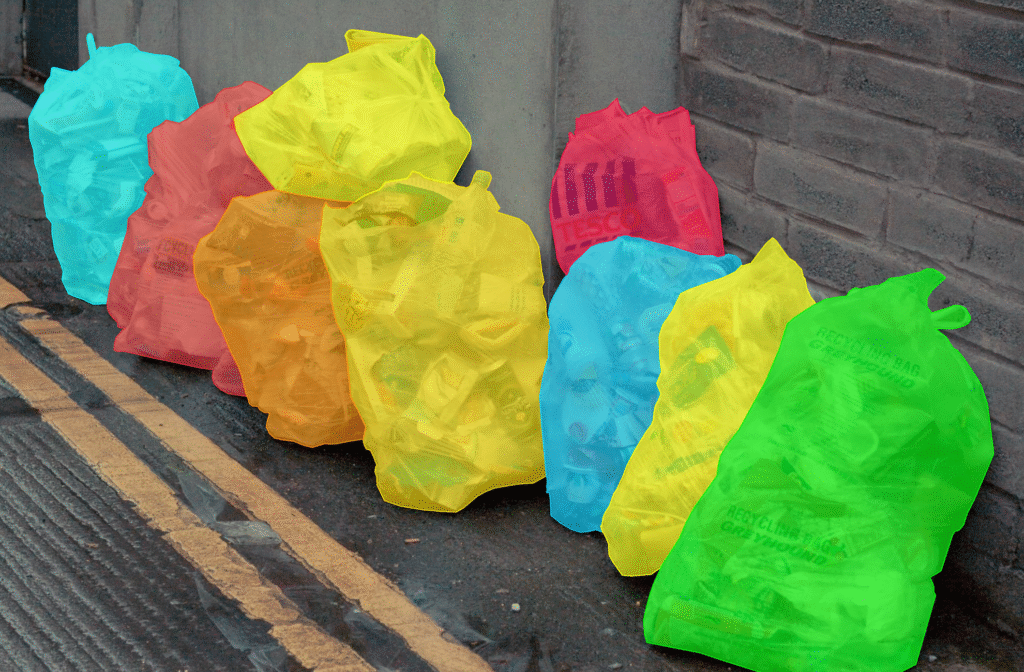
6. INSTANCE SEGMENTATION

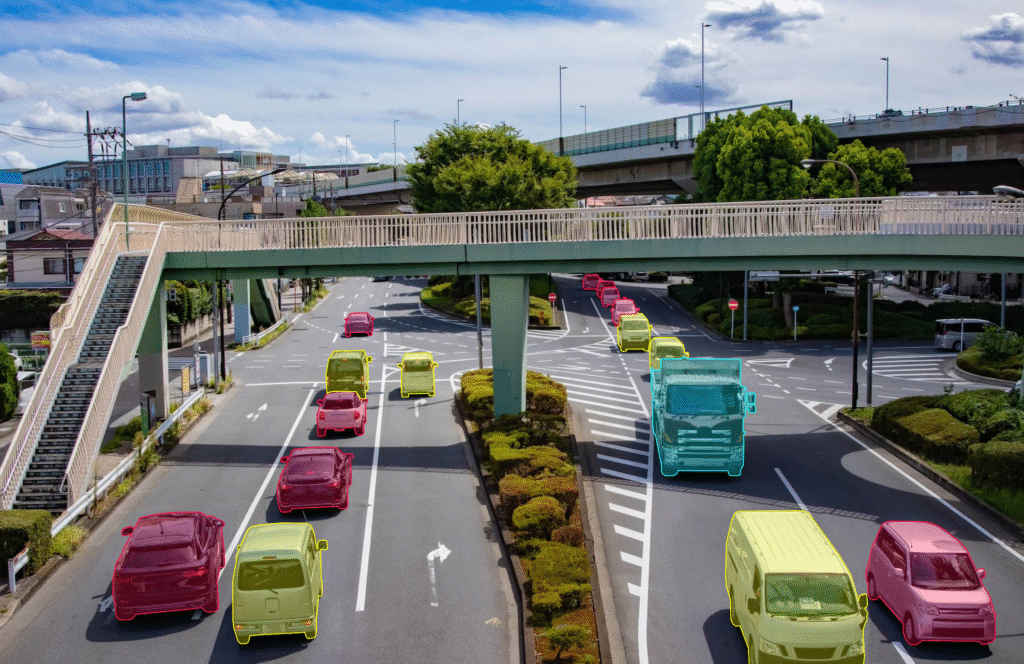
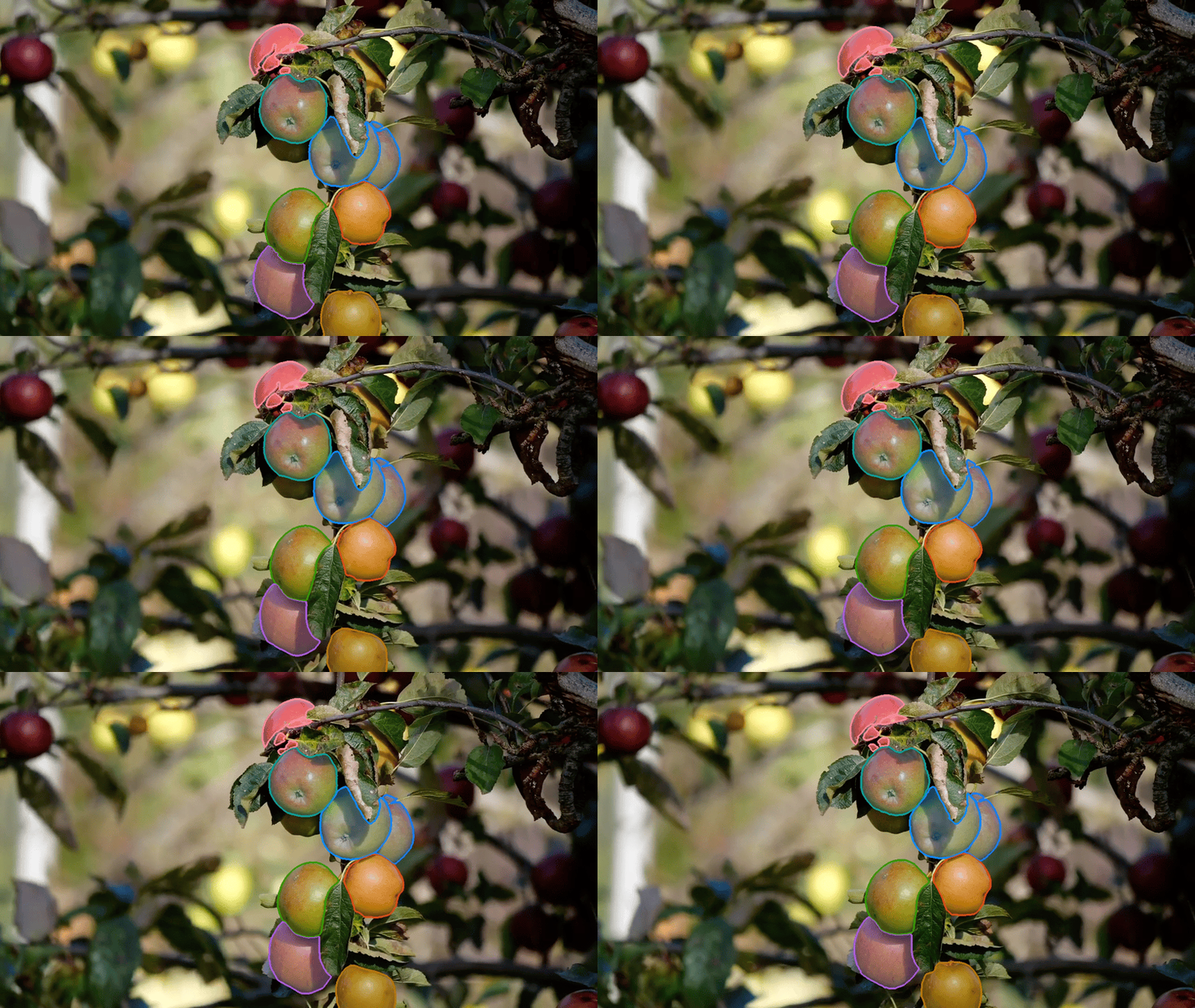
Enhances training data by labeling each object instance separately and capturing its unique properties. Every occurrence receives its own label and highlight for greater accuracy

7. POLYGON

Used for outlining complex shapes, this method connects small line segments to capture precise object boundaries – ideal for detailed data in medical & health care, agriculture, waste management

8. LANE

This method traces lines across an image to identify roads, railway tracks, pipelines, and other linear structures. It’s often used in logistics and autonomous driving

9. KEYPOINTS

This detailed method is often used for face features. Annotators place individual points on areas like the eyes, nose, and lips to mark their exact position and shape

10. SKELETAL

Commonly used to recognize people, this method uses lines to mark body parts and their positions. Skeletal annotation helps AI understand movement, shape, and posture

11. MIXED

We can combine multiple annotation methods to create datasets tailored to your specific computer vision needs. Since AI models vary widely, we stay flexible and deliver clean, reliable data for any application

Explore

Image Annotation Types And Techniques

Image annotation comes in many forms – each tailored to capture different details, objects, or regions within an image. Below are some examples used across computer vision projects

01. IMAGE CLASSIFICATION
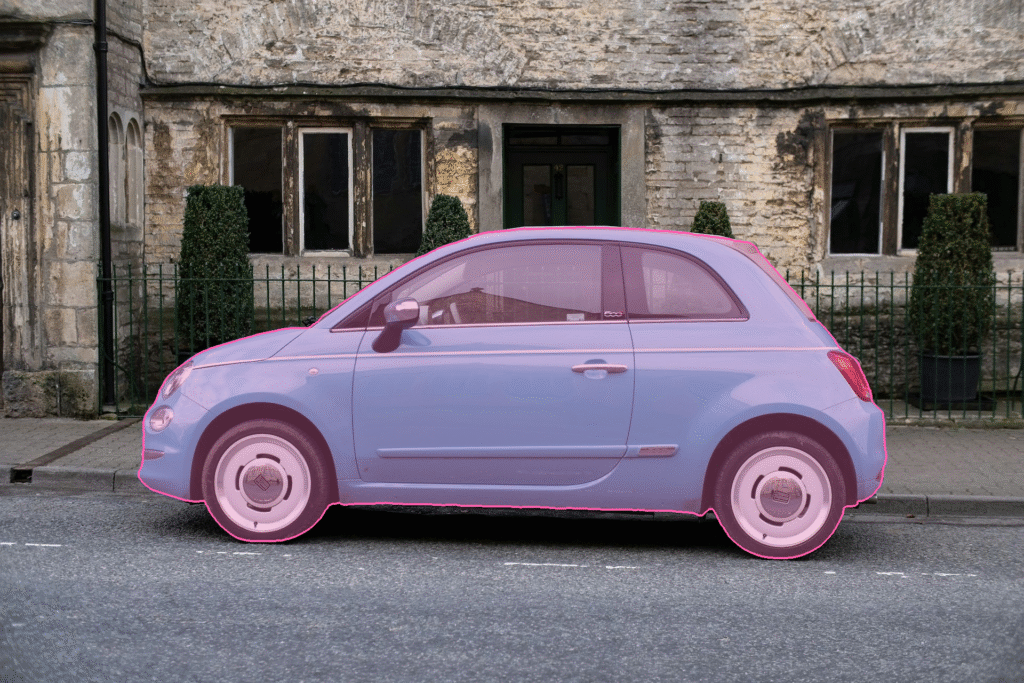
In this form of annotation, the model learns to detect the presence of objects or scenes by comparing them with previously labeled data. A typical example is labeling a full image of a car with the label “car”

Often referred to as object recognition, this annotation method detects and labels specific objects in an image – pinpointing their presence, position, and count. Especially in the autonomous driving scene, for example, an image of a street might be annotated with individual bikes, pedestrians, vehicles, and more

Image segmentation generally falls into two categories. Semantic Segmentation differentiates regions with similar characteristics,  such as separating cars from the background, whereas Instance Segmentation labels every individual object within the same category, like each car on the street

Image Annotation Use Case

Extensive Image Annotation Use Cases

1. AUTOMOTIVE

Annotators segmented the images and assigned each pixel to a specific object class, such as cars, trees, sky, roads, or signs.

These synthetic vehicle-scene datasets help autonomous systems accurately detect cars, pedestrians, signs, and other key elements.

Semantic segmentation is essential for training autonomous vehicles and robots. For example, self-driving cars must distinguish a pedestrian from a tree. The images we annotate help models learn these differences—critical for safe and reliable navigation.

2. SURVEILLANCE

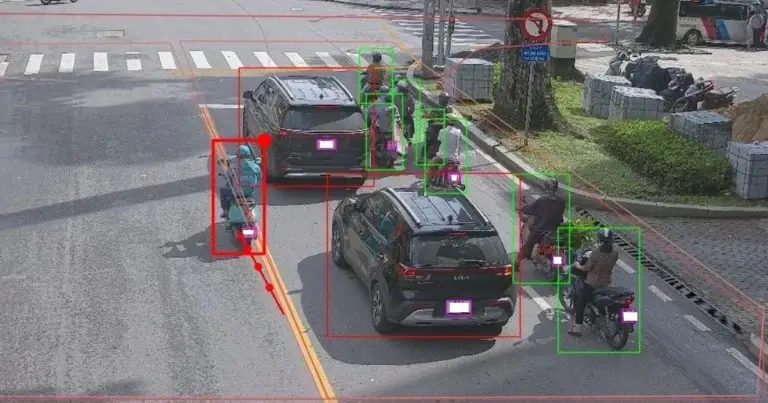
Data annotation plays a critical role in enhancing surveillance systems used for public safety. Annotators label people, vehicles, and objects across video frames, allowing AI models to accurately detect suspicious movement, identify abandoned items, and track individuals across different camera views.

3. AGRICULTURE

Use cuboids, bounding boxes, or other annotation tools to identify key areas in agricultural fields. 

For example, polygon annotation helps robots recognize individual plants and assess their growth stage. This allows farmers to manage crops more efficiently, identify plants ready for harvesting, and determine which areas need additional care.

4. RETAIL

Data annotation helps retail businesses automate product tracking and maintain well-organized shelves. Annotators label products, price tags, barcodes, and shelf sections in images and videos, enabling AI models to recognize product placement and inventory levels.

5. WASTE MANAGEMENT

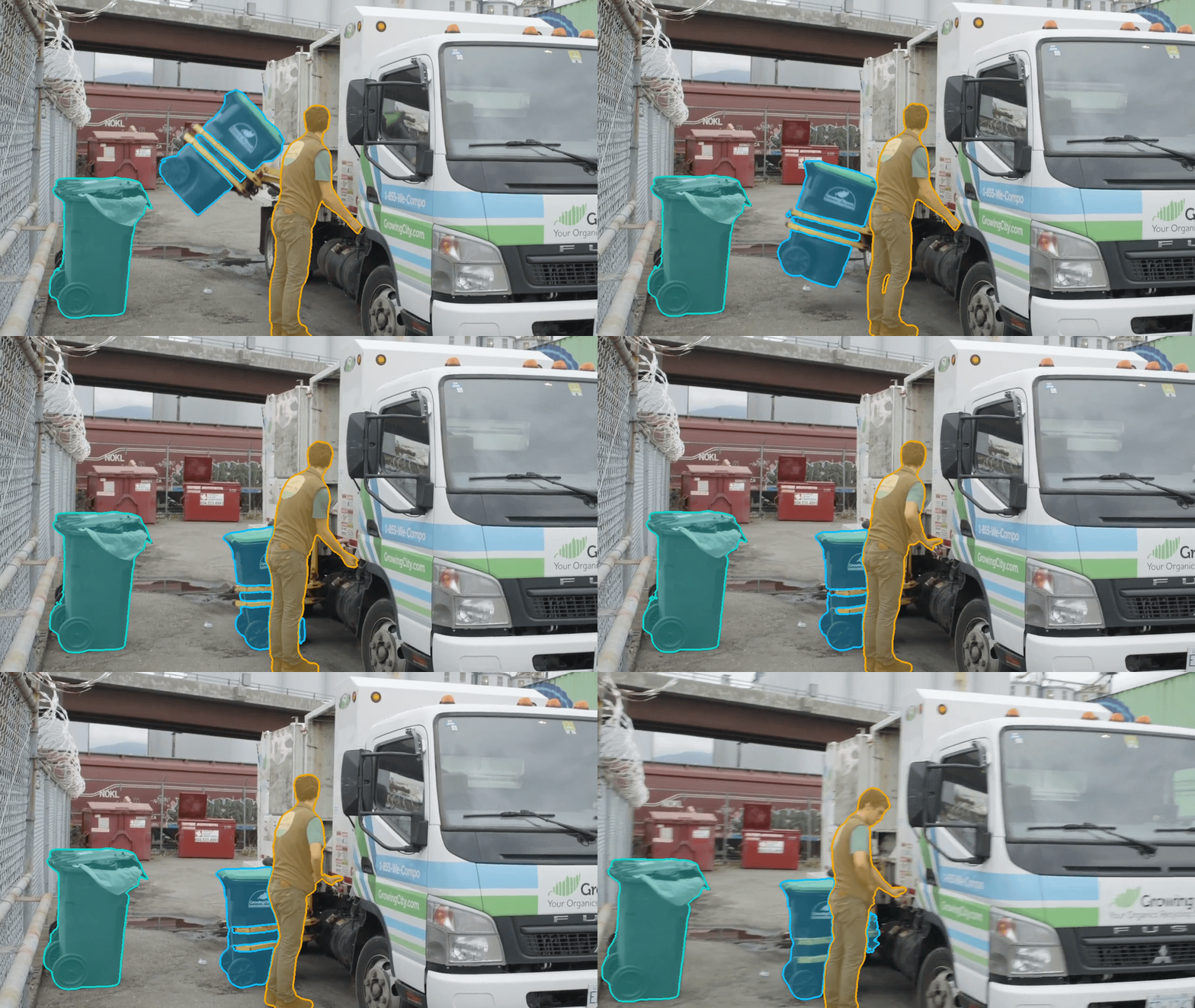
In waste management projects, annotated data helps AI models recognize trash in photos and classify different types of waste.

AI models can then be trained to identify materials such as plastic, metal, organic waste, and glass. With semantic segmentation, the system learns to distinguish each waste type and determine what can be recycled.

By supplying a well-annotated dataset of waste images, you enable computer vision models to automatically detect, classify, and sort waste – supporting more efficient recycling and cleaner environments.

6. FASHION

Polygons are ideal for capturing the shape and outline of clothing. They make it easy to label the size, position, and contours of each garment – useful for companies managing inventory or training models to recognize apparel.

7. ROBOTIC AND AUTOMATION

By training on thousands of annotated images, robots learn where to place objects, how far to move their arms, or how to interact with their surroundings. For example, to teach a drone to deliver a package into someone’s hand, annotators would label images of people holding objects of different sizes and shapes.

Industries We Serve

Find what works best for you

Smart Annotahub delivers affordable, high-quality data tailored to a wide range of industries.
We provide expert data labeling for:

MANUFACTURING

From industrial automation to assembly line control, quality assurance, damage detection, and more

AUTOMOTIVE

From manufacturing to autonomous vehicle training, including 3D point clouds

AGRICULTURE

From ripeness monitoring to crop management, pollination control, and other applications

RETAIL

From monitoring shopping habits to product placement, habit assessment, and much more

CONSTRUCTION

From predictive maintenance to safety, corrosion detection, infrastructure development, and more

LOGISTICS

From delivery tracking to warehousing, robotic deliveries, predictive maintenance, automated distribution, and more

MEDICAL & HEALTH CARE

From healthcare applications to surgical data, hospital operations, and much more

SPORT

From performance tracking to advertisement monitoring, injury prevention, and more

WASTE MANAGEMENT

From sorting to processing, logistics, automation, and other applications

Why Smart Annotahub is your best partner for
high-quality Image Annotation?

Our Advantages

Work with us to build a powerful data pipeline that fuels your machine learning and computer vision applications.
Trusted by global tech leaders for our skilled teams, flexible pricing models, and enterprise-grade quality

SCALABLE

Get fast results with high throughput and on-demand scalability. Whether you need 10,000 annotations or 100,000+, we handle projects of any size and scale effortlessly as your labeling needs grow

COST EFFECTIVE

Leverage competitive labor costs and flexible pricing models to meet diverse requirements with options for fixed rates on one-time projects or subscription plans. Our services outperform most data annotation providers in value, with discounts of up to 20% for large datasets

SUPERIOR QUALITY

We define measurable KPIs, such as accuracy and precision, and support them with a clear statistical QA process. 3 layers of human quality verification ensure remarkable results. This ensures consistent, high-quality output and helps you achieve your project goals efficiently

IN-HOUSE TEAM

Smart Annotahub delivers high-quality image and video datasets precisely tailored to your requirements. We assemble dedicated, multi-tiered teams led by experienced specialists, ensuring efficient management, scalability, and adaptability

SECURE

We safeguard your data through strict confidentiality protocols. All data is collected from reputable, legally compliant sources, and any data we create or annotate is high-quality and ready for use in your AI models

Workflow

Our Image Annotation Workflow

Sign NDA

Ensure your information stays confidential

Analyze Requirements

Hearing and clarifying requirements

Pilot and Estimation

Using your sample dataset to demonstrate our capabilities and validate our approach. Present estimation

Setup & Communication

Establishing clear communication protocols and a shared timeline, utilizing consistent tracking systems throughout the entire project

Agreement

Finalizing the Service Level Agreement (SLA) and contract terms based on your feedback of pilot dataset

Team Assemble & Training

Assemble the right team for each project and train them under experienced leaders to ensure full alignment on guidelines and quality expectations

Kick-off Project

Our annotation team executes the project per the agreed plan, closely tracking progress and KPIs of each annotation specialist

Quality Assurance & Delivery

All annotated datasets undergo at least a 3-stage quality assurance before delivery. We conduct feedback to gather insights, ensuring continuous service improvement

Let's talk

Ready to work with Smart Annotahub to enhance your AI Models?

Whether you have questions about our services or want to explore partnership opportunities

Headquarters

52 Lien Ha, Lo Khe, Thu Lam, Ha Noi, Viet Nam

General inquiries

+8485-5633-339

Email address

contact@smartannotahub.com

*
*
*
*
Send me the NDA