Most annotation pipelines do not break under pressure. They were never built to handle it in the first place, and you usually do not find that out until you are already under pressure.
So what does a pipeline that actually scales look like? It starts well before the first label is placed.
Treat Guidelines Like Product Documentation
Not a two-page PDF thrown together the night before kickoff. Real, versioned, example-rich guidelines that cover edge cases, handle ambiguity explicitly, and get updated when new patterns emerge. This is the single highest-leverage investment in annotation quality, and the most commonly underfunded one.
Separate Your Workforce Tiers
Not every task needs your most experienced annotators. Entry-level annotators handle high-volume, clear-cut tasks; senior annotators and domain experts handle edge cases, audits, and guideline refinement. This is not corner-cutting. It is resource allocation done right.
Build QA Into the Workflow, Not Onto the End
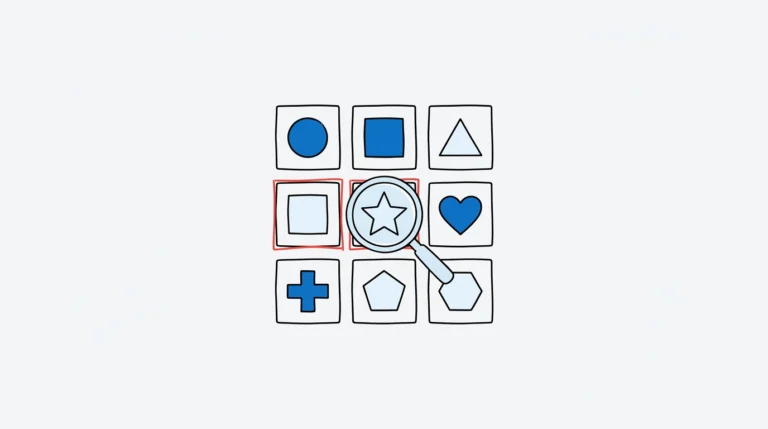
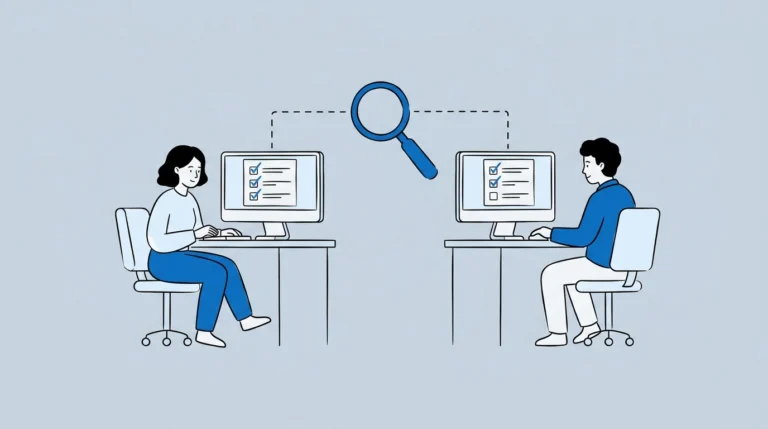
End-of-project QA is a post-mortem. By the time you catch systematic errors at delivery, you have already produced thousands of bad labels. Inline QA, with spot checks, golden datasets, and inter-annotator agreement tracking, catches drift before it compounds.
Tooling Matters More Than People Admit
CVAT, Label Studio, Scale, and Labelbox are not interchangeable. The right tool reduces annotator friction, enforces consistency, and generates the metadata you will need for audits later. Picking the wrong one because it was free or familiar is a decision that haunts you at 100,000 tasks.
Close the Feedback Loop
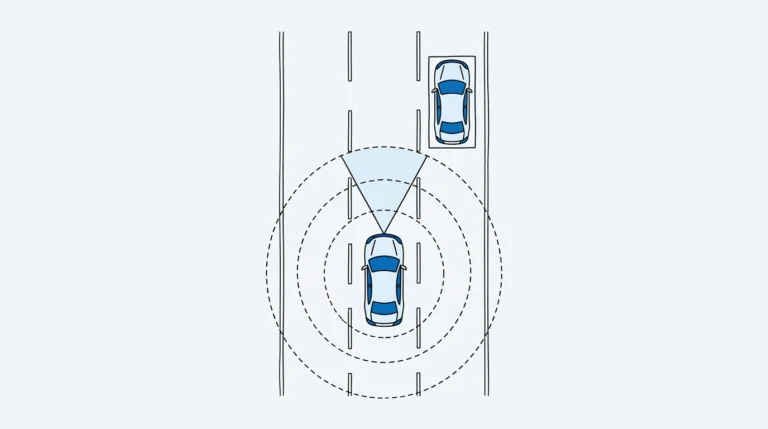
When model training reveals problems downstream, such as specific categories underperforming or certain objects being systematically misclassified, those signals need to travel back to the annotation team fast. A pipeline without feedback is not a pipeline. It is a one-way conveyor belt.
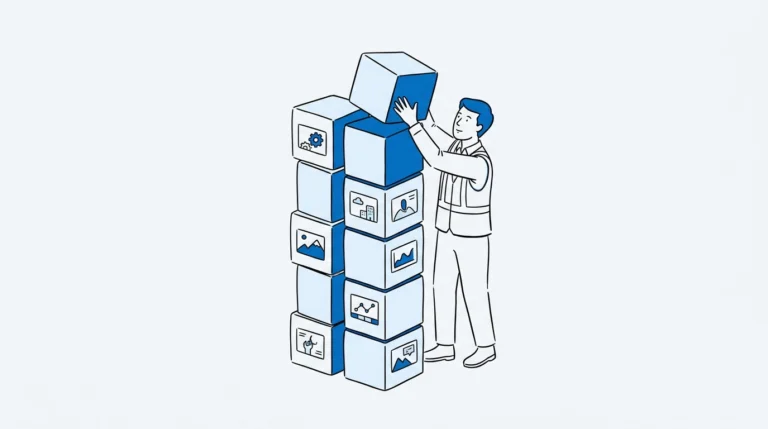
Scale requires architecture: clear roles, consistent processes, and quality checkpoints built in from day one.
About Smart Annotahub
Smart Annotahub is a managed data annotation company based in Ha Noi, Viet Nam. Our in-house annotators, QA leads and project managers turn raw image, video, 3D, geospatial, text and audio data into training-ready datasets for teams building computer vision, robotics and language AI. Every project starts with a free pilot, runs on your guidelines and tools, and ships with multi-stage quality checks.
Our Services
Frequently Asked Questions
How does the free pilot work?
Send us a sample of your data and your guidelines. We annotate it at no cost, report accuracy and turnaround, and return a precise quote, usually within a few working days.
How do you ensure annotation quality?
Every batch passes annotator self-checks, peer review and a dedicated QA lead. We agree accuracy targets up front and share QA reports with each delivery.
Can you work in our annotation tool?
Yes. Our team works in your platform or ours and delivers in the formats your pipeline expects, such as COCO, YOLO, Pascal VOC or custom JSON.
How is my data kept secure?
All work is done by our in-house team under NDA, with role-based access and no data leaving approved environments. See our Data Privacy Notice for details.
How is pricing calculated?
Per object, per hour or per project, depending on the task. See Pricing for reference rates, or request a pilot for an exact quote.
Want to see the difference on your own data?
Request Free Pilot