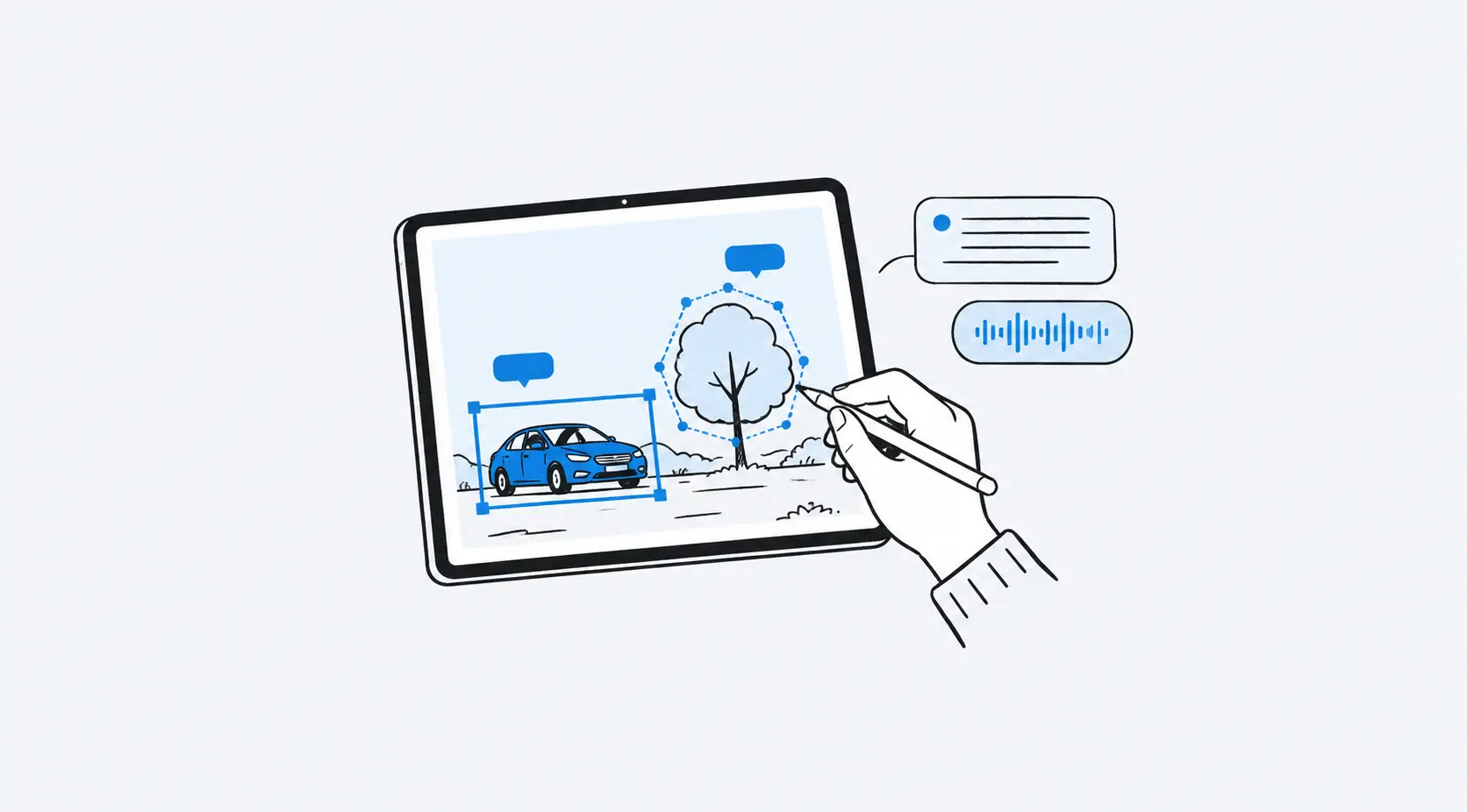
Every machine learning model learns from examples, and those examples only teach something when a person has said what they contain. That work is data annotation. It decides what a model can see, hear and understand, and it usually decides how well the model performs once it leaves the lab.
This guide covers what data annotation is, the main types and techniques, how a production annotation workflow runs, how quality is measured, and how to choose between building a team and working with a partner.
What Is Data Annotation?
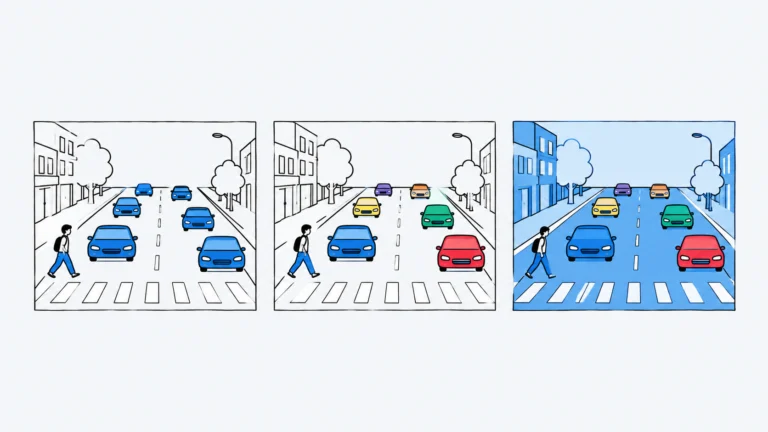
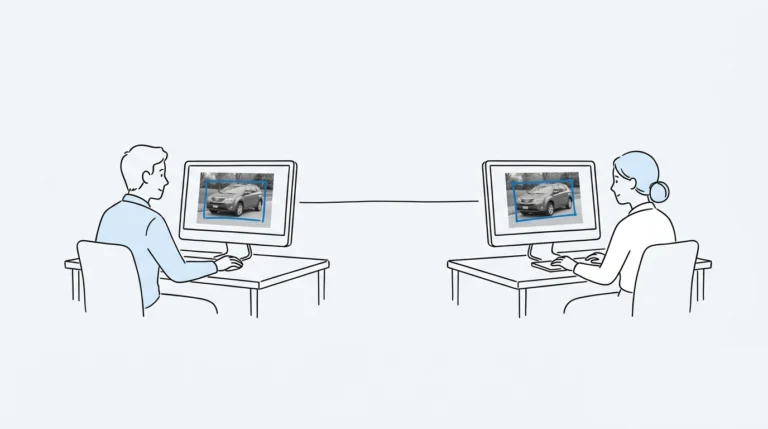
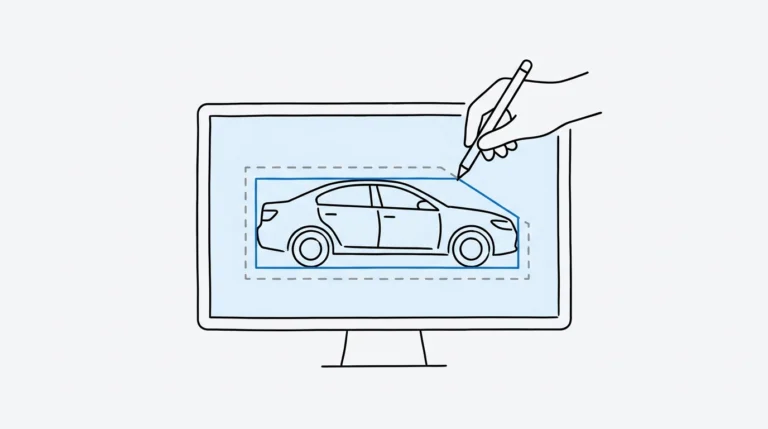
Data annotation is the process of adding labels to raw data so a machine learning model can learn from it. A raw image is just pixels. Once someone draws a box around each pedestrian and tags it “pedestrian”, the image becomes a training example: the model can compare its own guess with the human answer and adjust.
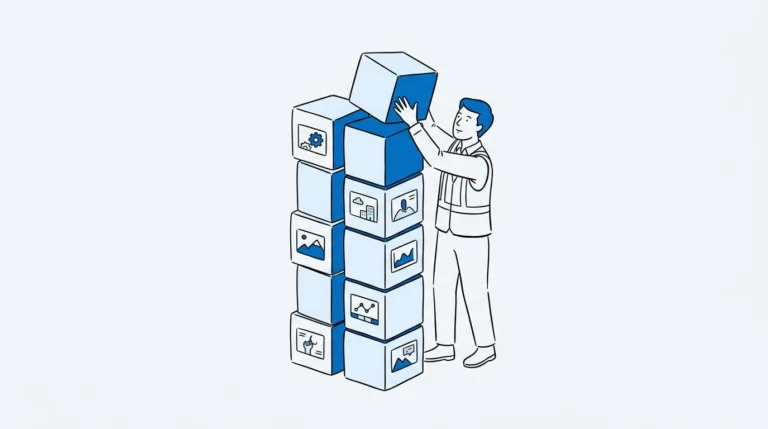
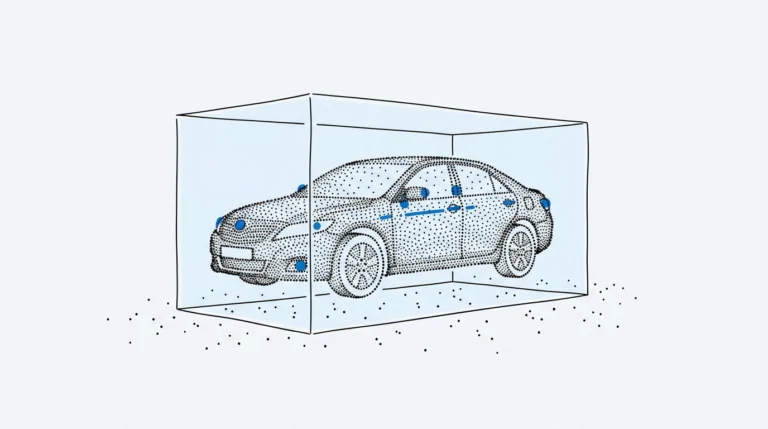
The same idea applies to every kind of data. Text gets tagged with entities and intent, audio gets transcribed and split by speaker, video gets objects tracked frame by frame, and LiDAR point clouds get 3D cuboids around cars and cyclists. The labels are called ground truth, because they are the reference the model is trained and tested against.
Most supervised learning still depends on this. Even teams that rely on foundation models need annotated data to fine-tune them, to evaluate them and to align them with human preferences.
Data Annotation vs. Data Labeling
The two terms are used interchangeably, and in practice most teams mean the same thing. When people do draw a line, data labeling usually means assigning a single tag to a whole item (this email is spam, this image contains a dog), while data annotation covers richer work such as boxes, polygons, keypoints, segmentation masks, transcripts and relationships between objects.
What matters more than the name is the specification: which classes exist, how precise the geometry must be, and what annotators should do when an example is unclear.
Why Annotation Quality Decides Model Quality
A model cannot be more accurate than the data it learns from. When labels are wrong or inconsistent, the model learns the noise along with the signal, and the errors show up later as missed detections, biased predictions or behaviour nobody can explain.
Label errors are more common than most teams assume. A 2021 study by researchers from MIT and Amazon, Pervasive Label Errors in Test Sets, estimated an average of at least 3.3% label errors across ten of the most widely used benchmark datasets, and at least 6% in the ImageNet validation set. If public benchmarks carry that much noise, a rushed internal dataset usually carries more. We looked at what that does to accuracy in 30% Label Noise Costs 8.5 Points of Accuracy.
Data work also takes most of the time. In Anaconda’s 2022 State of Data Science survey of 3,493 practitioners, respondents spent about 38% of their time on data preparation and cleansing, more than on model selection, training and deployment combined.
Better labels usually beat a bigger model. Most accuracy problems that reach production started in the dataset.
Types of Data Annotation
Annotation work is usually grouped by the kind of data being labeled. Each type needs different tools, skills and quality checks.
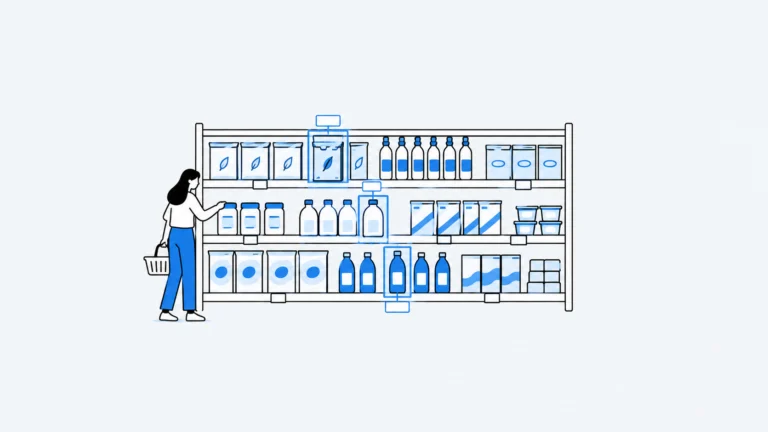
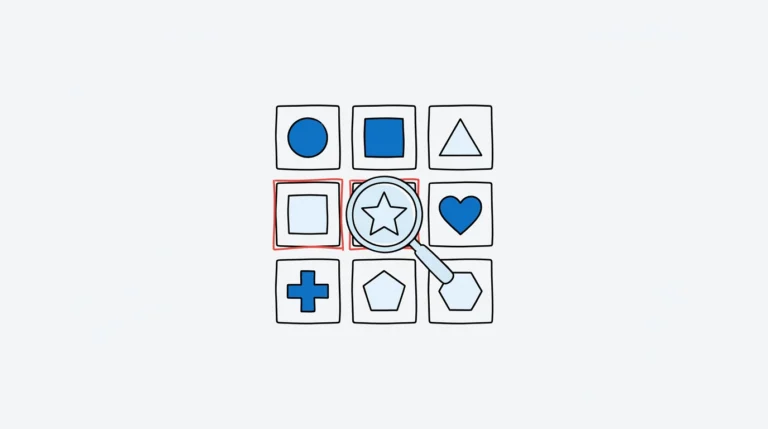
Image annotation. Labeling objects, regions or attributes in still images, from simple classification to pixel-level segmentation. It powers retail shelf monitoring, defect detection, medical imaging and document AI. See Image Annotation.
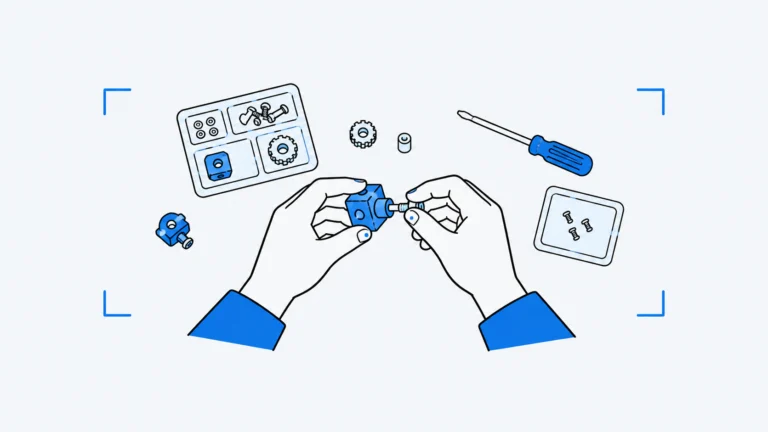
Video annotation. Everything in image annotation plus time: objects keep the same ID across frames, and actions and events get start and end points. It is used for driver monitoring, sports analytics, surveillance and robotics. See Video Annotation.
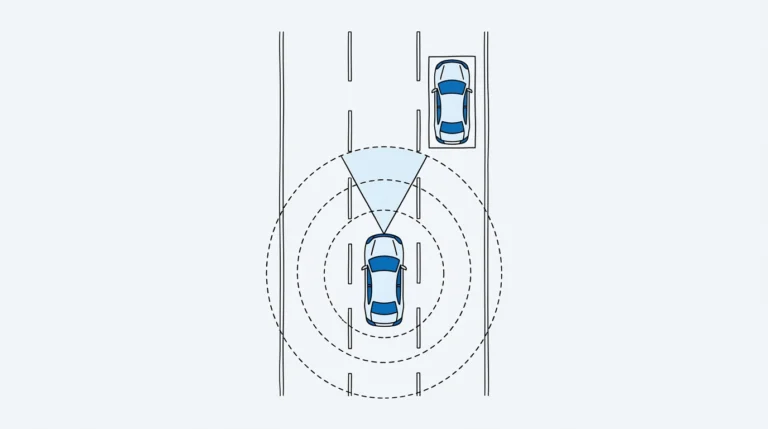
3D point cloud annotation. Labeling LiDAR and radar data with 3D cuboids, point-level segmentation and object tracks, often fused with camera images. It is the core of autonomous driving and mobile robotics. See 3D Point Cloud Annotation and our explainer on LiDAR annotation.
Text annotation. Tagging entities, intent, sentiment and relations, classifying documents, and producing the instruction, ranking and evaluation data used to train large language models. See Text Annotation.
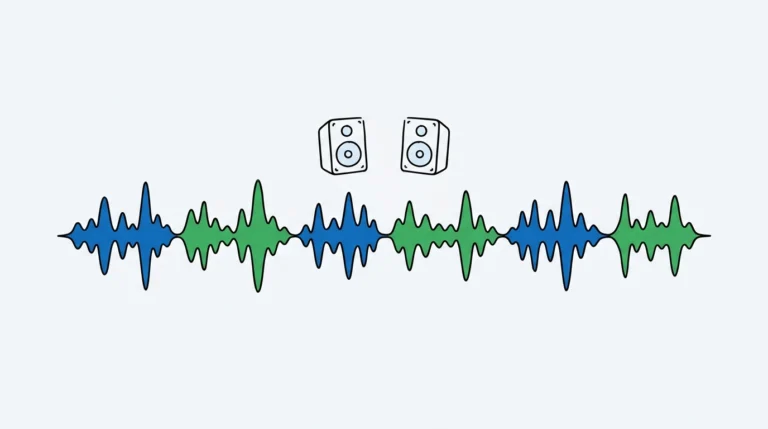
Audio annotation. Transcription, speaker diarization (who spoke when), sound event tagging and emotion labeling for speech recognition and voice products. See Audio Annotation.
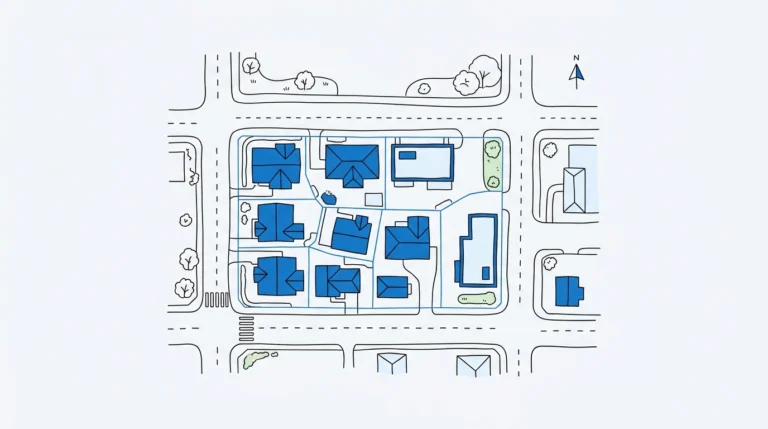
Geospatial annotation. Labeling satellite, aerial and drone imagery: building footprints, roads, land cover, vegetation and change between dates. See GIS Annotation.
Common Annotation Techniques
Within each data type, the technique you choose sets the cost and the precision of the dataset. Pick the simplest one that gives the model what it needs.
- Classification: one or more tags for a whole image, clip, document or recording. Fastest and cheapest.
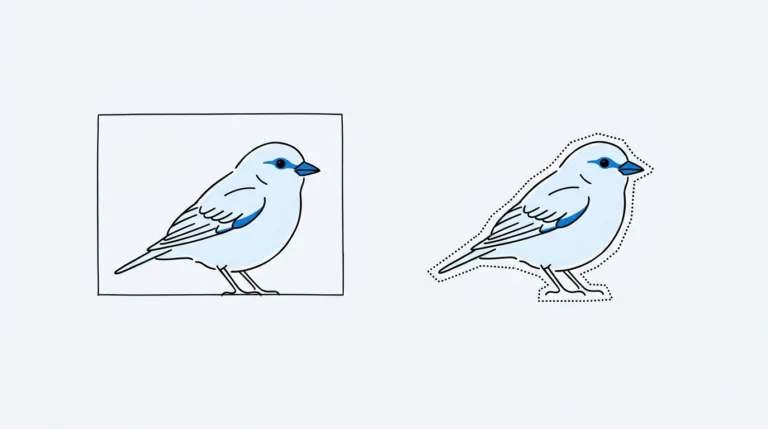
- Bounding boxes: rectangles around objects for detection. Quick to draw, but they include background pixels. See Bounding Boxes vs. Polygons.
- Polygons: outlines that follow an object’s real shape, for irregular objects such as buildings, tools or produce.
- Semantic, instance and panoptic segmentation: a class for every pixel, with or without separating individual objects. See Semantic vs. Instance vs. Panoptic Segmentation.
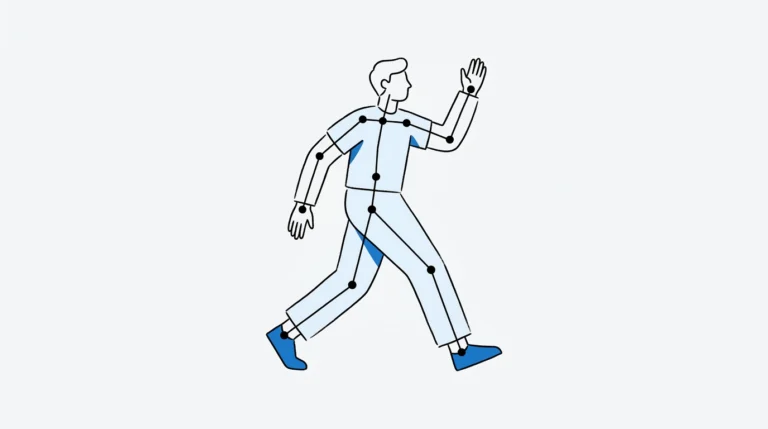
- Keypoints and skeletons: landmarks such as joints or facial points for pose estimation. See keypoint annotation.
- Polylines: lines for lanes, road edges, cables and pipelines.
- 3D cuboids: boxes with position, size and heading in point clouds.
- Object tracking: the same ID for an object across video frames or LiDAR sweeps.
- Named entity recognition and relation tagging: marking names, products, dates or amounts in text and how they relate.
- Transcription and timestamps: text for speech, aligned to the audio and split by speaker.
- Preference ranking and response rating: humans compare or score model outputs, the core of RLHF.
How the Data Annotation Process Works
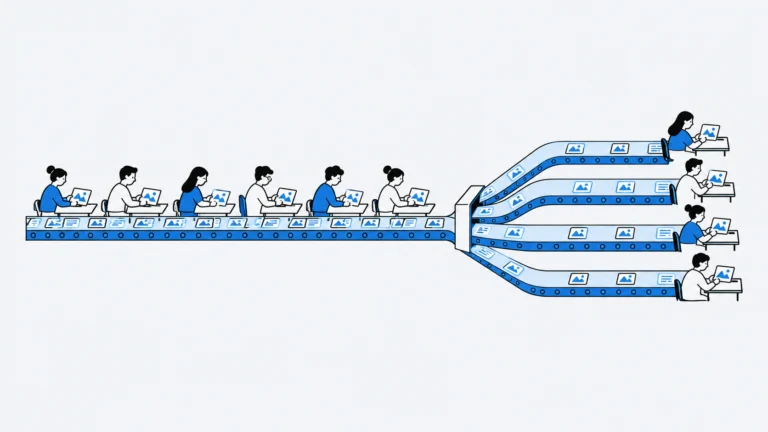
A production annotation project is a pipeline, not a single task. The teams that get consistent data tend to follow the same steps.
- Define the goal and the taxonomy. Start from what the model must do, then fix the list of classes, attributes and edge cases. Every class you add costs time on every item.
- Write the guidelines. Clear rules with visual examples of correct and incorrect labels, including what to do with occlusion, truncation, blur and ambiguity. Treat them as living documentation and version every change.
- Run a pilot. Annotate a small, representative batch, review it with your ML team, and fix the guidelines before scaling. This is where most misunderstandings surface, and where they are cheapest to fix.
- Pre-label where it helps. A model drafts the labels and annotators correct them. It can cut effort substantially on clear-cut data, as long as reviewers do not just accept what the model suggests. See Pre-Labeling and Human-in-the-Loop.
- Annotate at scale. Route straightforward items to trained annotators and hard cases to senior annotators or domain experts.
- Check quality inside the workflow. Spot checks, gold-standard questions and agreement tracking run while the work happens, not after delivery.
- Deliver and close the loop. Export in the format your training code expects, then send model errors back to the annotation team so the guidelines and the data improve with each round.
We go deeper on steps 5 to 7 in Most Annotation Pipelines Were Never Built to Scale.
How to Measure Annotation Quality
“High quality” means nothing until it is measured. These are the checks that hold up in production:
- Gold-standard sets: items with known correct answers mixed into the queue, so each annotator’s accuracy is measured continuously.
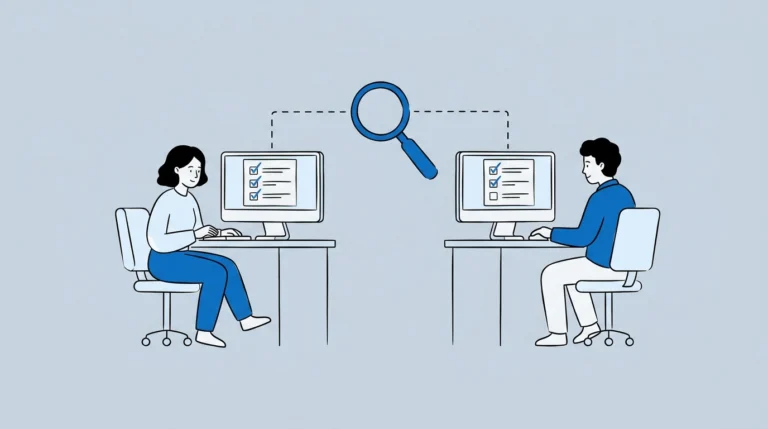
- Inter-annotator agreement: how often two annotators label the same item the same way, using metrics such as Cohen’s kappa, Krippendorff’s alpha or IoU for shapes. Low agreement usually points to unclear guidelines, not careless people. See Inter-Annotator Agreement.
- Review sampling: a senior reviewer checks a fixed share of every batch, with a higher share for new annotators and hard classes.
- Error taxonomy: track which kinds of errors occur (missed objects, wrong class, loose geometry) so fixes target the cause.
- Acceptance criteria: agree upfront on the accuracy threshold per class and what happens when a batch misses it.
For safety-critical work such as driver assistance, average accuracy is not enough: the rare classes and the edge cases are what count. We explain why in In ADAS Development, 95% Accuracy Isn’t a Win.
Data Annotation for LLMs and Generative AI
Large language models changed what annotation looks like, but they did not remove the need for it. Instead of boxes and masks, much of the work is now written and judged by skilled people:
- Supervised fine-tuning data: example prompts with high-quality answers written by domain experts.
- Preference data for RLHF: annotators compare two or more model responses and pick the better one, with reasons. See RLHF Preference Data.
- Evaluation sets: carefully labeled test questions that show whether a new model version is actually better.
- Red teaming and safety review: people deliberately try to make the model fail, and label harmful or incorrect outputs.
This work rewards expertise more than volume. A small team of reviewers who know the domain often produces more useful data than a large crowd working fast.
In-House, Crowdsourced or Managed Annotation?
There are three common ways to get annotation done, and many teams combine them.
In-house teams give you full control and keep sensitive data inside the company, but hiring, training and managing annotators is slow and expensive, and the team sits idle between projects.
Crowdsourcing platforms scale quickly and cost little per task, but quality varies, the workforce changes constantly, and complex or confidential data is hard to manage.
Managed annotation services provide a trained, dedicated team with project management and quality control included. They suit work that needs consistency over months, such as autonomous driving, robotics or specialist domains.
We compare the trade-offs in In-House vs. Outsourced Data Labeling and Crowdsourcing vs. Managed Annotation Teams. If you are evaluating vendors, our checklist for choosing a data annotation partner covers the questions to ask.
What Drives the Cost of Data Annotation
There is no single price for annotation because the effort per item varies by orders of magnitude. A classification tag can take a second; a fully segmented LiDAR sequence can take hours. The main cost drivers are:
- Technique and precision: boxes cost less than polygons, which cost less than pixel-level segmentation.
- Density: the number of objects per image or frame.
- Taxonomy size: more classes and attributes mean more decisions per object.
- Domain expertise: medical, legal or engineering data needs specialist annotators.
- Quality targets: review layers and consensus labeling add effort, and they are worth it where errors are expensive.
- Data security requirements: on-premise work, restricted access or specific compliance needs.
Pricing is usually per task, per object or per hour. Per-hour pricing suits complex, changing work; per-task pricing suits stable, well-defined work. A pilot on a sample of your own data is the fastest way to get a real number for your own data.
The market around this work keeps growing. Mordor Intelligence estimates the data annotation tools market alone at USD 3.07 billion in 2026, rising to USD 12.42 billion by 2031.
Common Data Annotation Mistakes
Most annotation problems are predictable. These are the ones we see most often:
- Scaling before the guidelines have been tested on a pilot batch.
- Measuring quality only at delivery, when thousands of bad labels already exist.
- Adding classes “just in case”, which slows every annotator and lowers consistency.
- Accepting pre-labels without real review, so the model’s own mistakes get baked into the data.
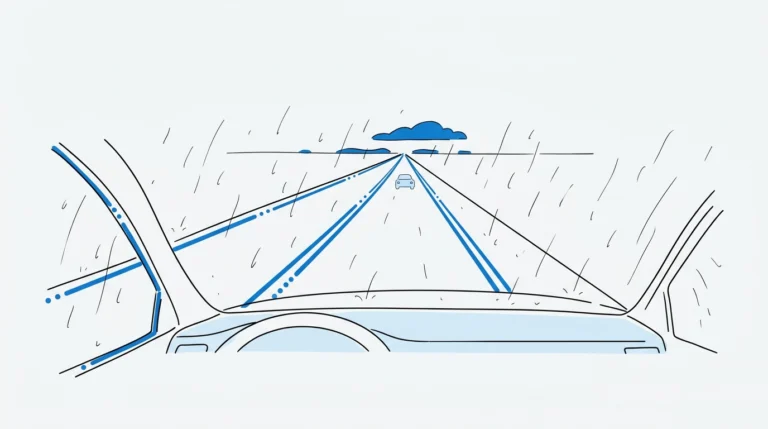
- Labeling data that does not match production conditions, such as clear weather only or a single camera. See Why Lane Detection Models Top Benchmarks but Fail in the Rain.
- No feedback loop between the ML team and the annotators.
Getting Started with Data Annotation
Start small and specific. Pick one model goal, define a short taxonomy, write guidelines with examples, and annotate a pilot batch you can review in detail. The pilot tells you how long each item takes, where annotators disagree and what the finished dataset will cost, before you commit to volume.
Smart Annotahub runs managed annotation for image, video, 3D point cloud, text, audio and geospatial data, with quality checks built into every batch. If you want to see how your data would be handled, request a free pilot and we will annotate a sample to your guidelines.
About Smart Annotahub
Smart Annotahub is a managed data annotation company based in Ha Noi, Viet Nam. Our in-house annotators, QA leads and project managers turn raw image, video, 3D, geospatial, text and audio data into training-ready datasets for teams building computer vision, robotics and language AI. Every project starts with a free pilot, runs on your guidelines and tools, and ships with multi-stage quality checks.
Our Services
Frequently Asked Questions
How does the free pilot work?
Send us a sample of your data and your guidelines. We annotate it at no cost, report accuracy and turnaround, and return a precise quote, usually within a few working days.
How do you ensure annotation quality?
Every batch passes annotator self-checks, peer review and a dedicated QA lead. We agree accuracy targets up front and share QA reports with each delivery.
Can you work in our annotation tool?
Yes. Our team works in your platform or ours and delivers in the formats your pipeline expects, such as COCO, YOLO, Pascal VOC or custom JSON.
How is my data kept secure?
All work is done by our in-house team under NDA, with role-based access and no data leaving approved environments. See our Data Privacy Notice for details.
How is pricing calculated?
Per object, per hour or per project, depending on the task. See Pricing for reference rates, or request a pilot for an exact quote.
Want to see the difference on your own data?
Request Free Pilot