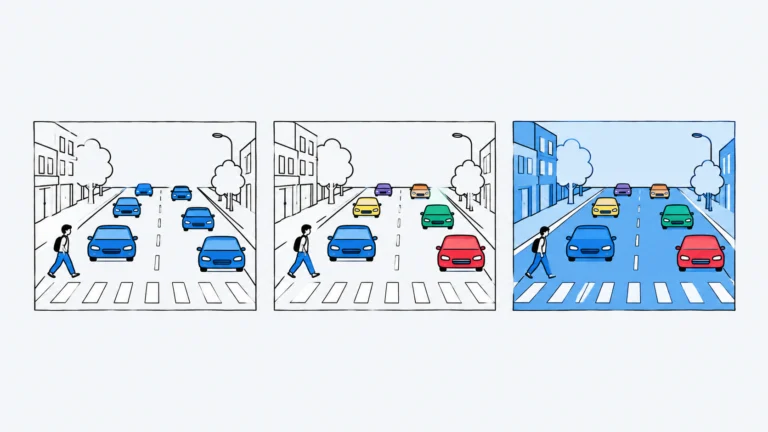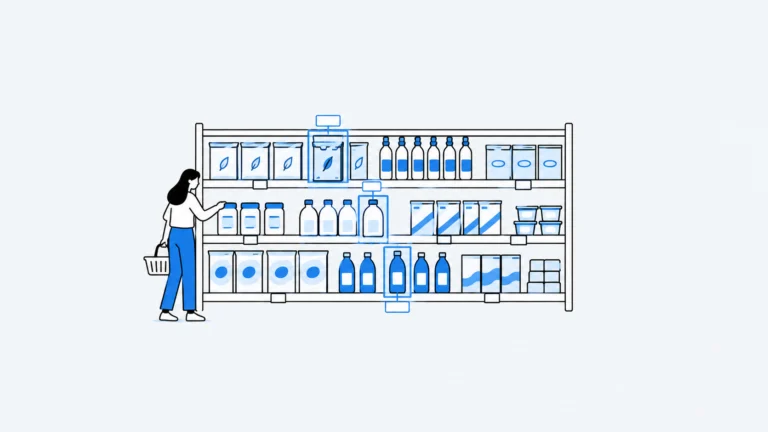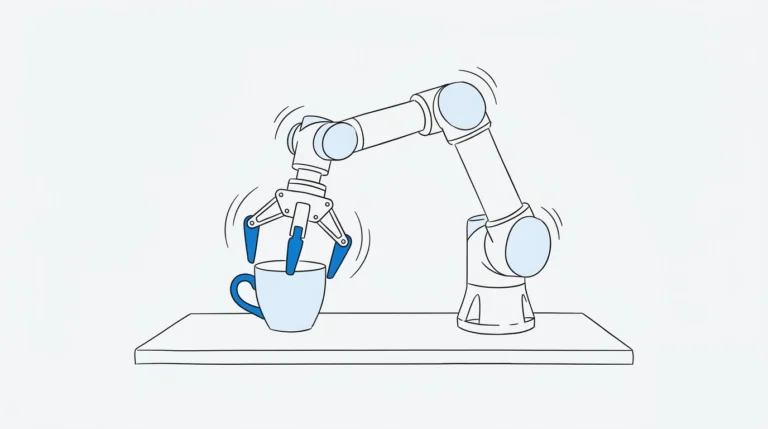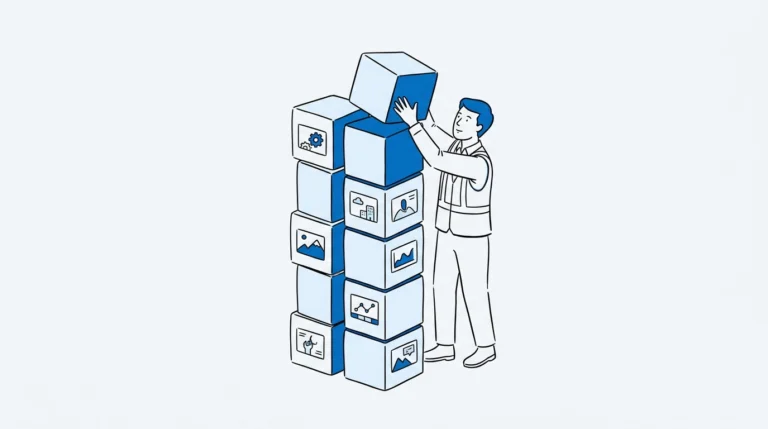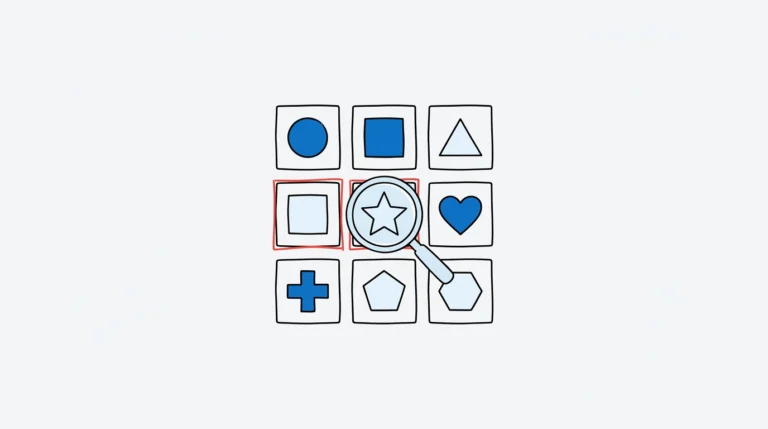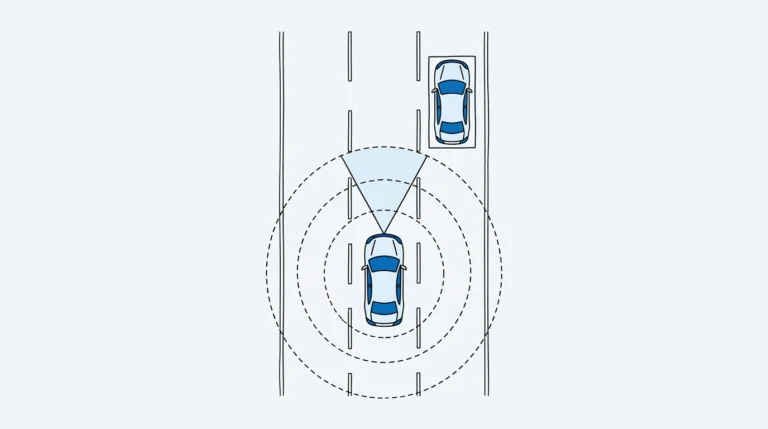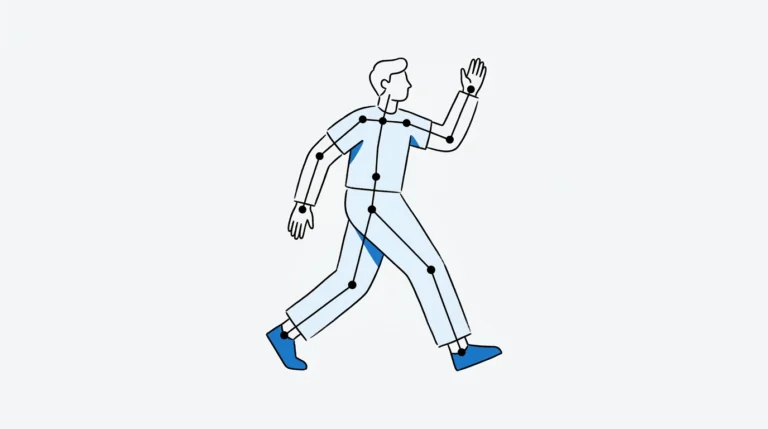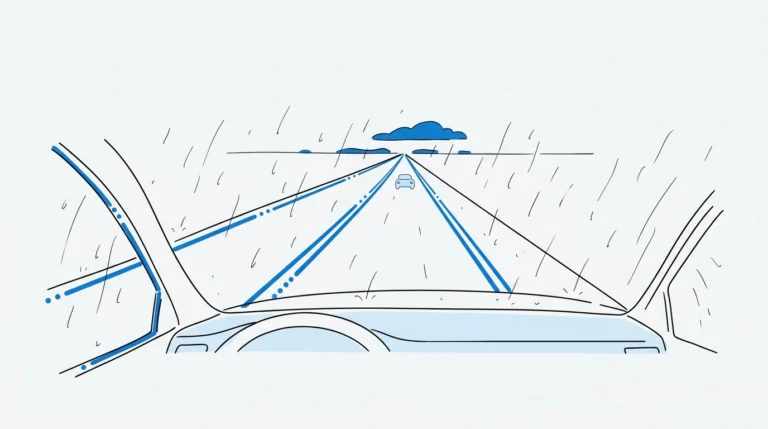
LiDAR sensors capture the world as millions of 3D points. Before a perception model can use them, humans have to tell it what those points are. Here are the three core techniques.
3D Cuboids
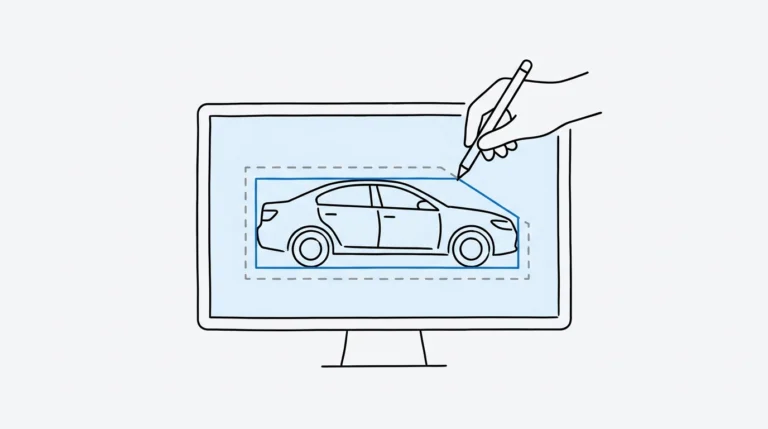
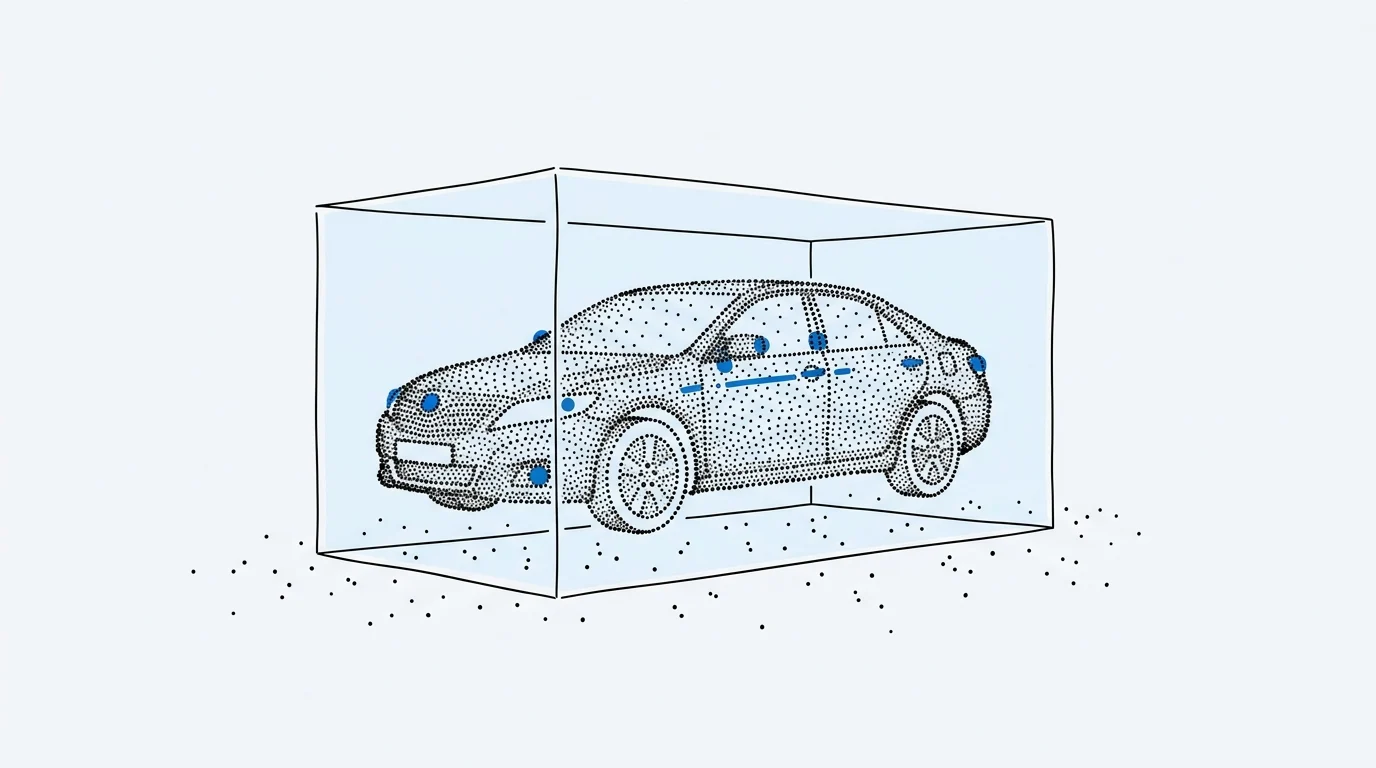
A cuboid is a 3D box drawn around an object, with position, size, and heading. Cuboids are the standard for vehicles, pedestrians, and cyclists in autonomous driving. The hard part is consistency: tight fits on sparse, distant, or partially occluded objects, and stable headings across frames.
Point Cloud Segmentation
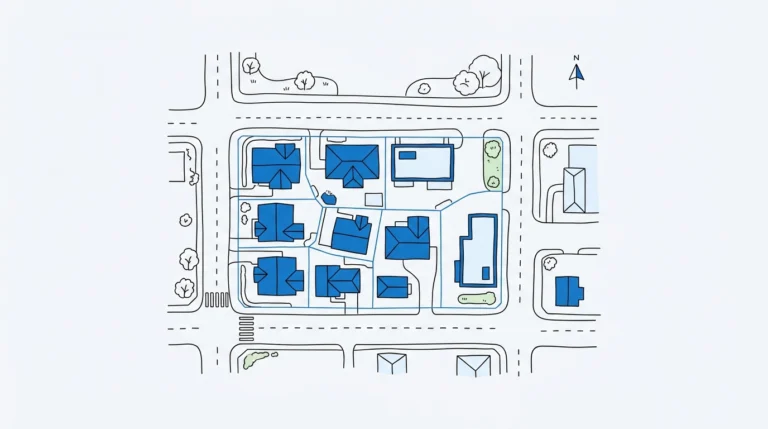
Segmentation assigns a class to every point: road, curb, vegetation, building, vehicle. It is slower than cuboids but essential for drivable-area detection, mapping, and robotics navigation.
Sensor Fusion
Most production systems combine LiDAR with cameras. Sensor fusion annotation links the same object across both, so a cuboid in 3D matches a box in the camera image. This depends on accurate calibration files and careful review, because mismatched labels teach the model conflicting truths.
Tracking Across Frames
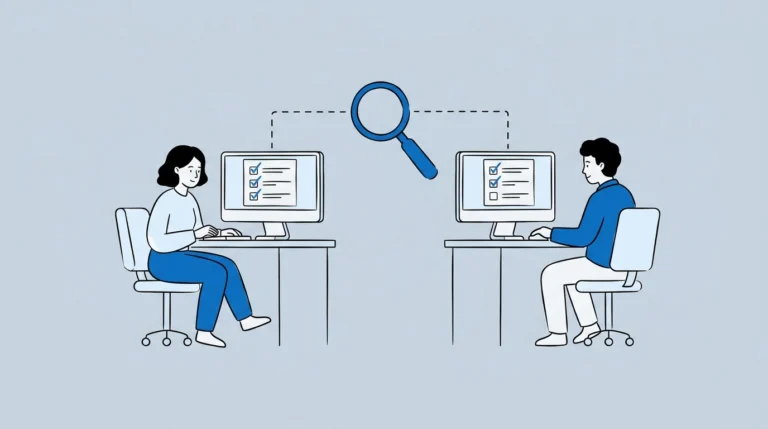
Objects need consistent IDs through a sequence, even when they are briefly hidden. Multi-frame review catches ID switches and jittering boxes that frame-by-frame labeling misses.
Good LiDAR annotation is less about drawing boxes and more about keeping every frame, sensor, and annotator consistent.
About Smart Annotahub
Smart Annotahub is a managed data annotation company based in Ha Noi, Viet Nam. Our in-house annotators, QA leads and project managers turn raw image, video, 3D, geospatial, text and audio data into training-ready datasets for teams building computer vision, robotics and language AI. Every project starts with a free pilot, runs on your guidelines and tools, and ships with multi-stage quality checks.
Our Services
Frequently Asked Questions
How does the free pilot work?
Send us a sample of your data and your guidelines. We annotate it at no cost, report accuracy and turnaround, and return a precise quote, usually within a few working days.
How do you ensure annotation quality?
Every batch passes annotator self-checks, peer review and a dedicated QA lead. We agree accuracy targets up front and share QA reports with each delivery.
Can you work in our annotation tool?
Yes. Our team works in your platform or ours and delivers in the formats your pipeline expects, such as COCO, YOLO, Pascal VOC or custom JSON.
How is my data kept secure?
All work is done by our in-house team under NDA, with role-based access and no data leaving approved environments. See our Data Privacy Notice for details.
How is pricing calculated?
Per object, per hour or per project, depending on the task. See Pricing for reference rates, or request a pilot for an exact quote.
Want to see the difference on your own data?
Request Free Pilot