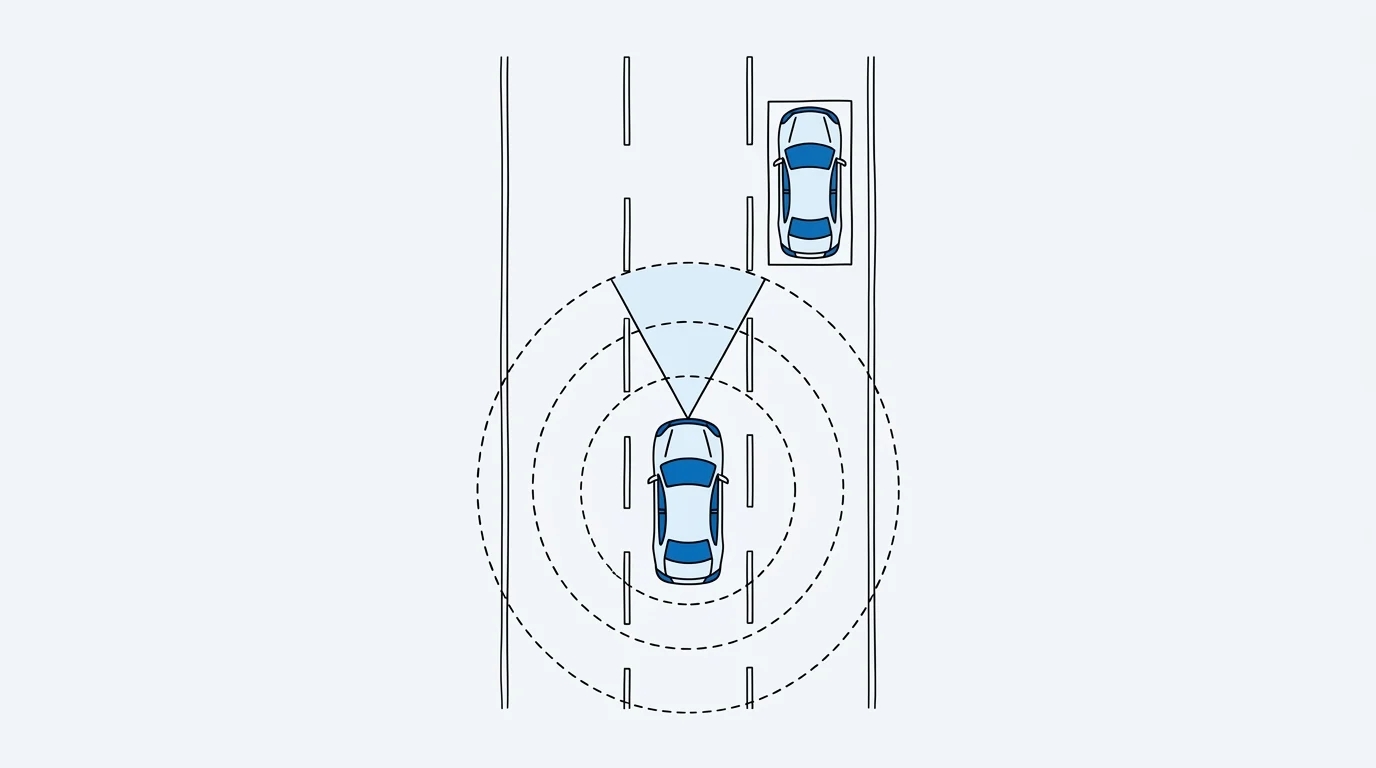
For most computer vision applications, 90–95% accuracy is acceptable. You retrain, iterate, and improve over time. ADAS operates in a different risk environment, where failures can lead to recalls, regulatory scrutiny, or, in the worst cases, safety incidents.
That changes how data annotation must be approached. Here is where the gap between prototype and production usually appears.
Where Programs Stall
Sensor fusion alignment. Camera labels and LiDAR cuboids must agree across synchronized sensor streams. If they do not, the model learns conflicting ground truth. A six-camera system at 30 FPS can generate roughly 650,000 frames per vehicle hour, making synchronization both an engineering and an annotation challenge.
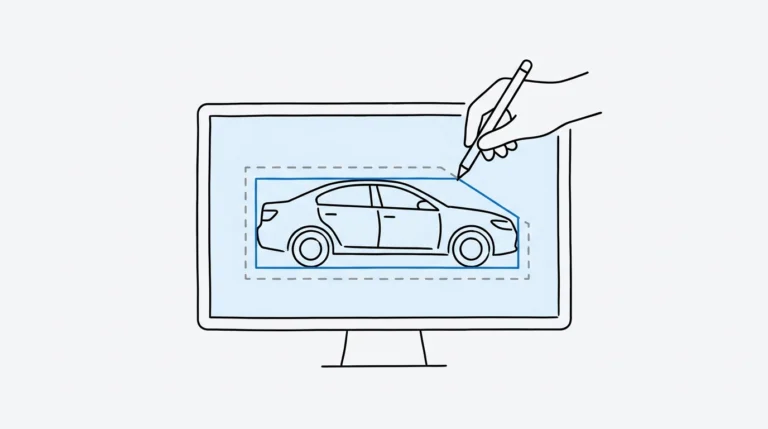
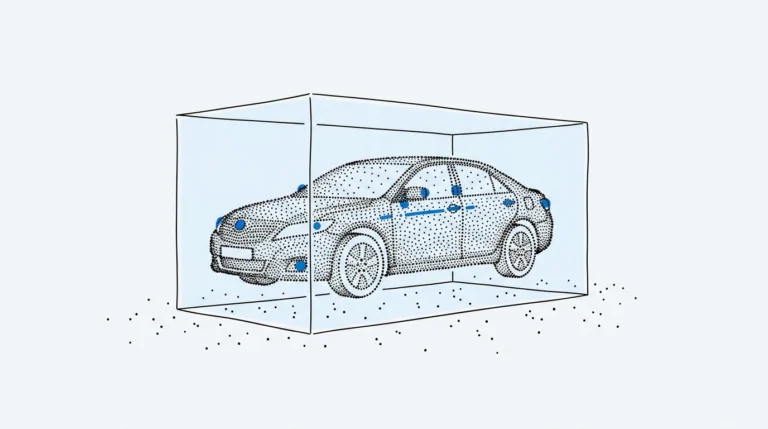
3D cuboid throughput. Labeling a partially occluded vehicle in LiDAR can take 30–90 seconds. At scale, throughput becomes a program constraint. Model-assisted pre-labeling combined with strong human QA is often the only practical solution.
Long-tail edge cases. Most driving data is routine. The critical 5% consists of near misses, unusual pedestrian behavior, construction zones, and sensor failures. Public datasets help with prototyping but rarely cover the geographic and sensor-specific scenarios encountered in production.
Temporal consistency. Frame-by-frame annotation often loses object continuity through occlusions, creating tracking errors that affect downstream prediction and planning. Multi-frame review should be a baseline requirement.
Class taxonomy drift. When category definitions change without versioning or backfilling, evaluation results become unreliable and performance metrics lose meaning.
What Gets Programs to Production
Annotator continuity. Domain expertise built over months on a specific sensor stack is difficult to replace. One digital LiDAR program achieved a 0.95 detection F1 score while keeping annotator turnover near 10% a year.
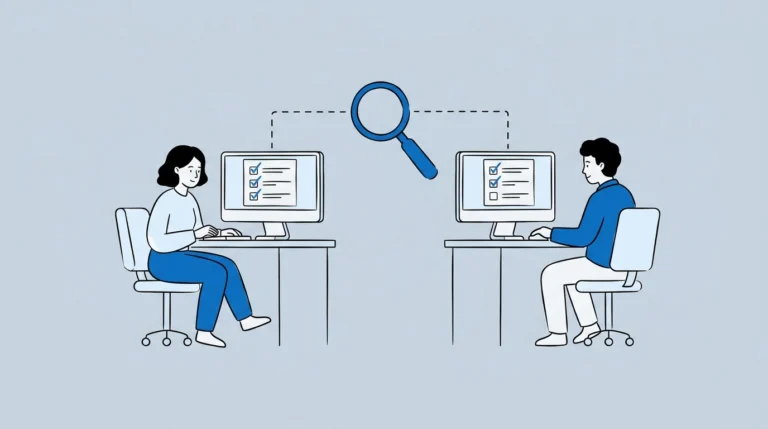
Layered QA. Calibration rounds with small annotation teams before full-scale production uncover taxonomy disagreements early, when they are far less expensive to fix.
The 15–20% premium for safety-grade QA isn’t overhead. It’s protection against the far greater cost of faulty evaluation data reaching production validation.
About Smart Annotahub
Smart Annotahub is a managed data annotation company based in Ha Noi, Viet Nam. Our in-house annotators, QA leads and project managers turn raw image, video, 3D, geospatial, text and audio data into training-ready datasets for teams building computer vision, robotics and language AI. Every project starts with a free pilot, runs on your guidelines and tools, and ships with multi-stage quality checks.
Our Services
Frequently Asked Questions
How does the free pilot work?
Send us a sample of your data and your guidelines. We annotate it at no cost, report accuracy and turnaround, and return a precise quote, usually within a few working days.
How do you ensure annotation quality?
Every batch passes annotator self-checks, peer review and a dedicated QA lead. We agree accuracy targets up front and share QA reports with each delivery.
Can you work in our annotation tool?
Yes. Our team works in your platform or ours and delivers in the formats your pipeline expects, such as COCO, YOLO, Pascal VOC or custom JSON.
How is my data kept secure?
All work is done by our in-house team under NDA, with role-based access and no data leaving approved environments. See our Data Privacy Notice for details.
How is pricing calculated?
Per object, per hour or per project, depending on the task. See Pricing for reference rates, or request a pilot for an exact quote.
Want to see the difference on your own data?
Request Free Pilot