Choosing an annotation type is one of the first and most expensive decisions in a computer vision project. Pick too coarse and your model cannot learn what it needs. Pick too fine and you pay for precision you never use.
When Bounding Boxes Are Enough
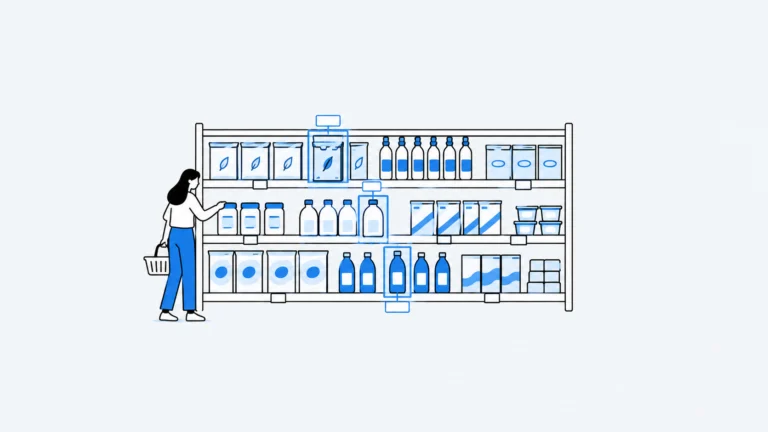
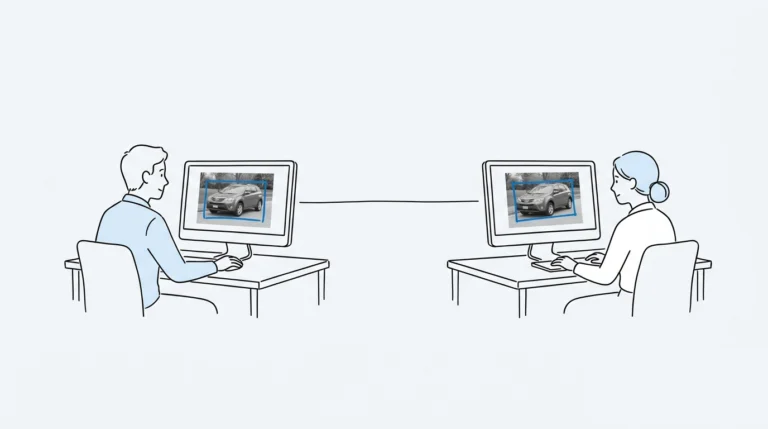
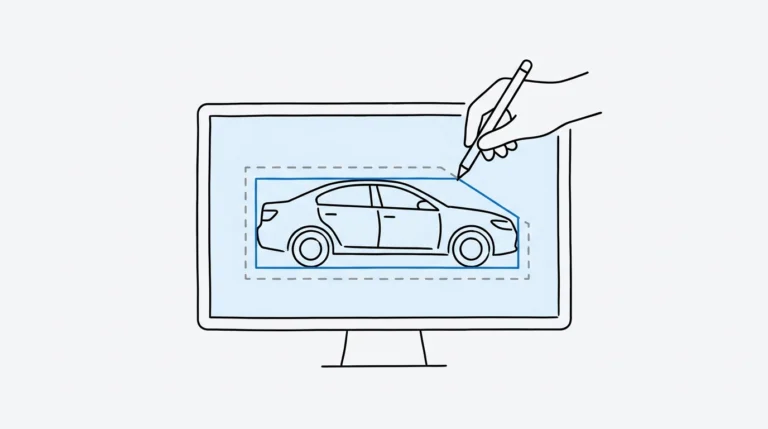
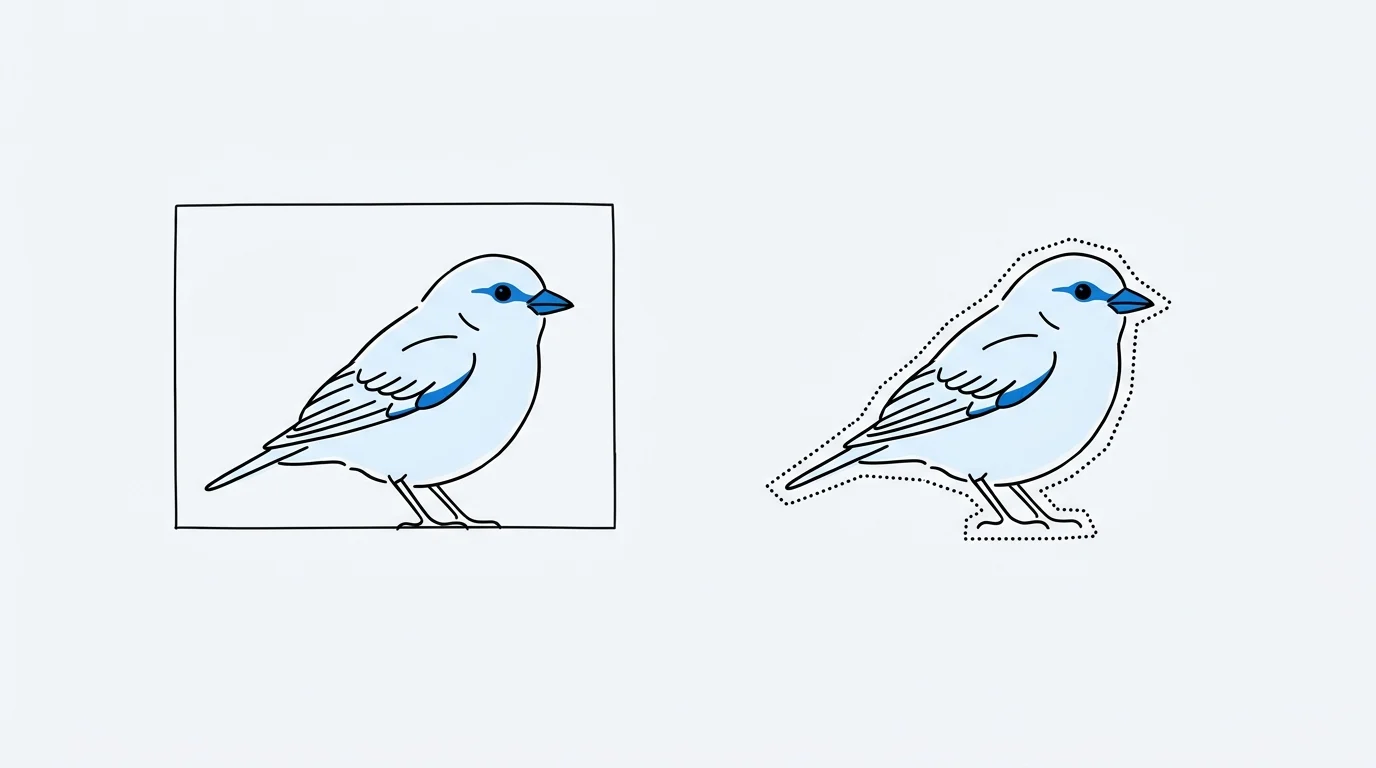
Boxes are fast, cheap, and consistent. They work well when you need to know that an object is present and roughly where it is:
- Counting products, people, or vehicles
- Object detection for tracking and alerts
- Objects that are roughly rectangular and rarely overlap
When You Need Polygons or Masks
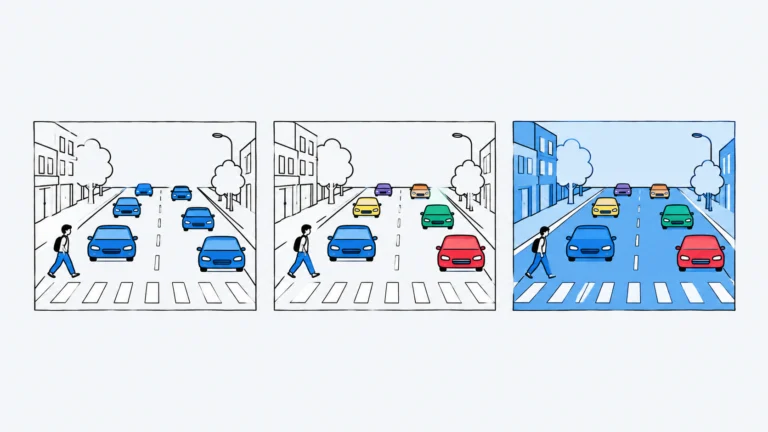
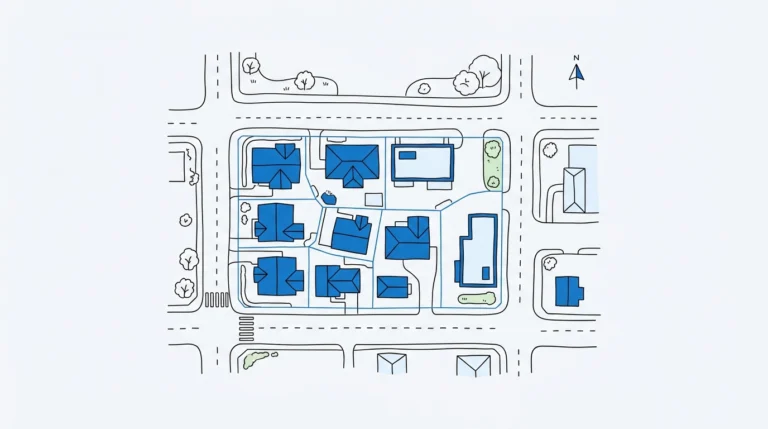
Polygons and segmentation masks trace an object’s real outline. They take longer to produce, but they matter when shape and exact area drive decisions:
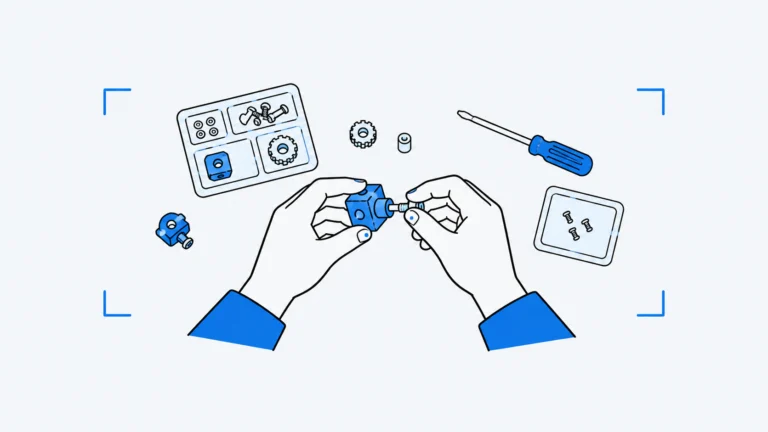
- Defect size and position in manufacturing QC
- Crop, tree, and building outlines in aerial imagery
- Irregular or overlapping objects, such as clothing or medical structures
A Practical Rule of Thumb
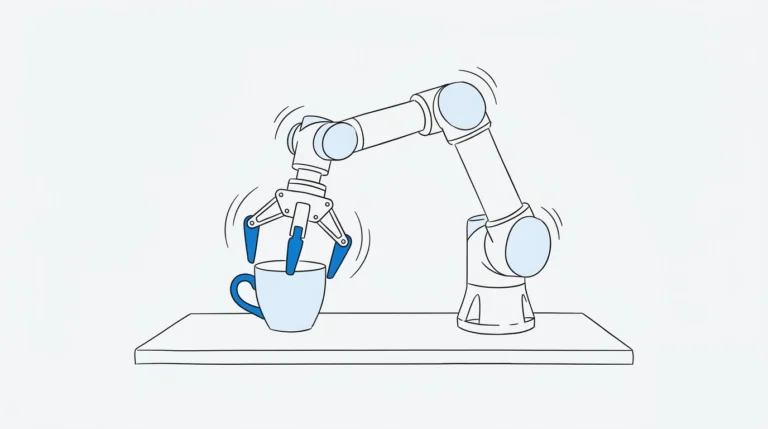
Ask what your model will do with the output. If downstream logic only needs a location, use boxes. If it measures, grasps, cuts, or compares shapes, use polygons or masks. When in doubt, pilot both on a small sample and compare model results against labeling cost.
The right annotation type is the cheapest one that still lets your model make the decision it needs to make.
About Smart Annotahub
Smart Annotahub is a managed data annotation company based in Ha Noi, Viet Nam. Our in-house annotators, QA leads and project managers turn raw image, video, 3D, geospatial, text and audio data into training-ready datasets for teams building computer vision, robotics and language AI. Every project starts with a free pilot, runs on your guidelines and tools, and ships with multi-stage quality checks.
Our Services
Frequently Asked Questions
How does the free pilot work?
Send us a sample of your data and your guidelines. We annotate it at no cost, report accuracy and turnaround, and return a precise quote, usually within a few working days.
How do you ensure annotation quality?
Every batch passes annotator self-checks, peer review and a dedicated QA lead. We agree accuracy targets up front and share QA reports with each delivery.
Can you work in our annotation tool?
Yes. Our team works in your platform or ours and delivers in the formats your pipeline expects, such as COCO, YOLO, Pascal VOC or custom JSON.
How is my data kept secure?
All work is done by our in-house team under NDA, with role-based access and no data leaving approved environments. See our Data Privacy Notice for details.
How is pricing calculated?
Per object, per hour or per project, depending on the task. See Pricing for reference rates, or request a pilot for an exact quote.
Want to see the difference on your own data?
Request Free Pilot