
Smart Annotahub Blog
Practical guides on data annotation, training data quality, and building AI with better data, written by the people who do the labeling.
Latest Articles
 Most Annotation Pipelines Were Never Built to Scale
Pipelines rarely break under pressure. They were never built to handle it, and you only find out once you are already under pressure.
Read article →
Most Annotation Pipelines Were Never Built to Scale
Pipelines rarely break under pressure. They were never built to handle it, and you only find out once you are already under pressure.
Read article →
 Guides
Most Annotation Pipelines Were Never Built to Scale
Pipelines rarely break under pressure. They were never built to handle it, and you only find out once you are already under pressure.
Read article →
Guides
Most Annotation Pipelines Were Never Built to Scale
Pipelines rarely break under pressure. They were never built to handle it, and you only find out once you are already under pressure.
Read article →
 Computer Vision
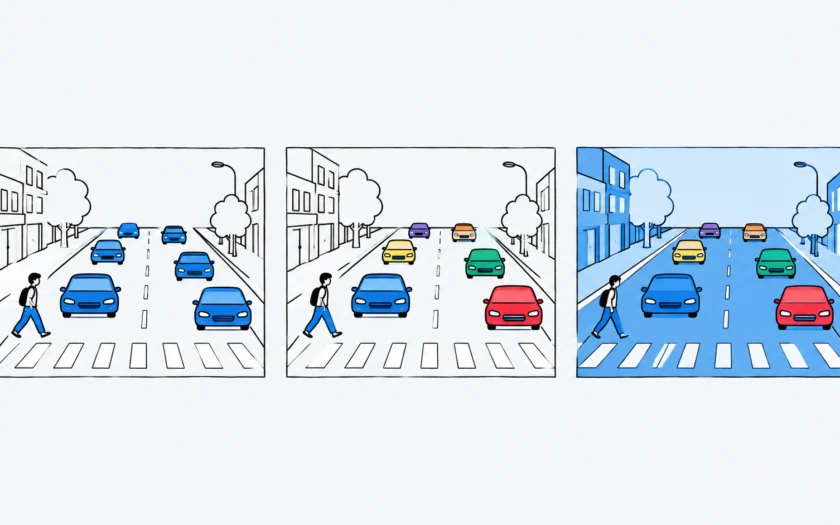
Semantic vs. Instance vs. Panoptic Segmentation: Which One Do You Need?
How the three segmentation types differ, and how to pick one without over-labeling.
Read article →
Computer Vision
Semantic vs. Instance vs. Panoptic Segmentation: Which One Do You Need?
How the three segmentation types differ, and how to pick one without over-labeling.
Read article →
 Guides
Crowdsourcing vs. Managed Annotation Teams
Both get your data labeled. Only one is built for production. Here is how they really compare.
Read article →
Guides
Crowdsourcing vs. Managed Annotation Teams
Both get your data labeled. Only one is built for production. Here is how they really compare.
Read article →
 Retail
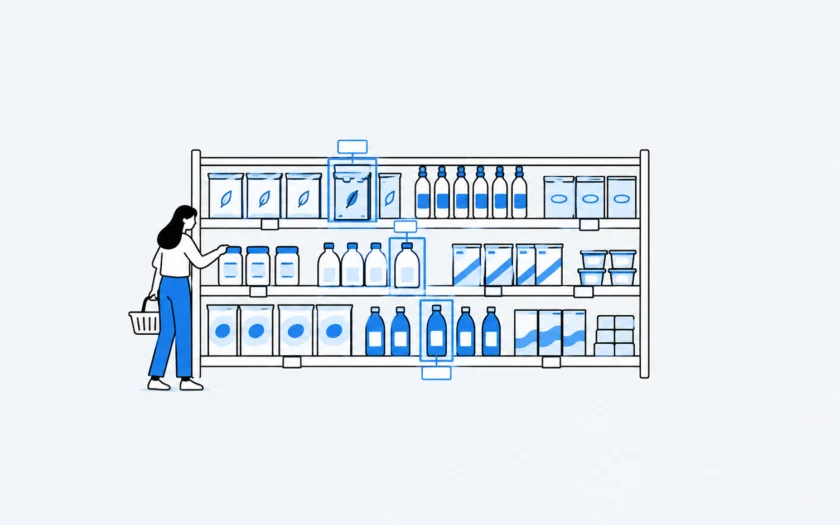
 Computer Vision Doesn’t Fail Because of Models. It Fails Because of Data.
60% of U.S. retailers are scaling store intelligence, yet only 33% have invested in the shelf-level data these systems depend on.
Read article →
Retail
Retail Computer Vision Doesn’t Fail Because of Models. It Fails Because of Data.
60% of U.S. retailers are scaling store intelligence, yet only 33% have invested in the shelf-level data these systems depend on.
Read article →
 Robotics
Why Egocentric Video Is the Hardest Robotics Data to Annotate
First-person video can lift robot manipulation success rates by 54% before a robot ever touches hardware. It is also one of the hardest data types to label well.
Read article →
Robotics
Why Egocentric Video Is the Hardest Robotics Data to Annotate
First-person video can lift robot manipulation success rates by 54% before a robot ever touches hardware. It is also one of the hardest data types to label well.
Read article →
 Guides
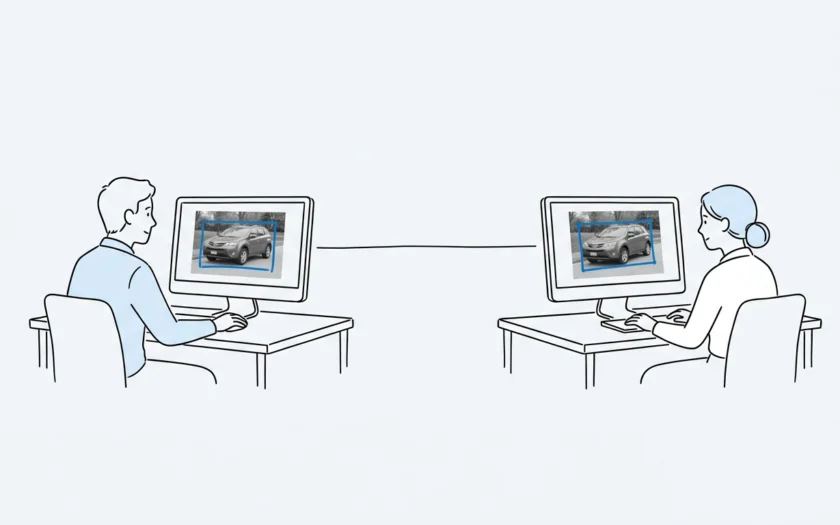
Inter-Annotator Agreement: How to Measure Label Consistency
Cohen’s kappa, Krippendorff’s alpha and what agreement numbers really say about your dataset.
Read article →
Guides
Inter-Annotator Agreement: How to Measure Label Consistency
Cohen’s kappa, Krippendorff’s alpha and what agreement numbers really say about your dataset.
Read article →
 Vietnam
’s Personal Data Protection Law: What It Means for Annotation Projects
The key points of Law No. 91/2025/QH15 for anyone outsourcing annotation to Vietnam.
Read article →
Vietnam
Vietnam’s Personal Data Protection Law: What It Means for Annotation Projects
The key points of Law No. 91/2025/QH15 for anyone outsourcing annotation to Vietnam.
Read article →
 Robotics
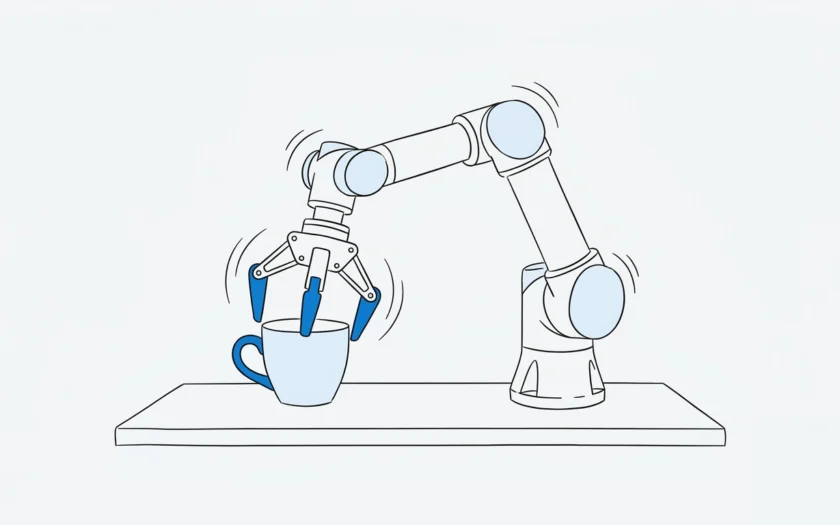
Physical AI Has a Data Problem Compute Can’t Solve
Language models train on billions of web pages. Embodied AI has only a fraction of that data, and every example must be physically performed, recorded, and labeled.
Read article →
Robotics
Physical AI Has a Data Problem Compute Can’t Solve
Language models train on billions of web pages. Embodied AI has only a fraction of that data, and every example must be physically performed, recorded, and labeled.
Read article →
 Computer Vision
When Model Tweaks Stop Working, Fix the Dataset
Your computer vision project hit a wall and architecture changes are no longer moving the needle. Usually the model isn’t broken. The dataset is.
Read article →
Computer Vision
When Model Tweaks Stop Working, Fix the Dataset
Your computer vision project hit a wall and architecture changes are no longer moving the needle. Usually the model isn’t broken. The dataset is.
Read article →
 Vietnam
Why AI Teams Outsource Data Annotation to Vietnam
The real advantages of annotating in Vietnam, plus the trade-offs to plan for.
Read article →
Vietnam
Why AI Teams Outsource Data Annotation to Vietnam
The real advantages of annotating in Vietnam, plus the trade-offs to plan for.
Read article →
 Computer Vision
30% Label Noise Costs 8.5 Points of Accuracy
Not from a bad model or the wrong architecture, but from dirty training data. Here are the three annotation problems that hit classification projects hardest.
Read article →
Computer Vision
30% Label Noise Costs 8.5 Points of Accuracy
Not from a bad model or the wrong architecture, but from dirty training data. Here are the three annotation problems that hit classification projects hardest.
Read article →
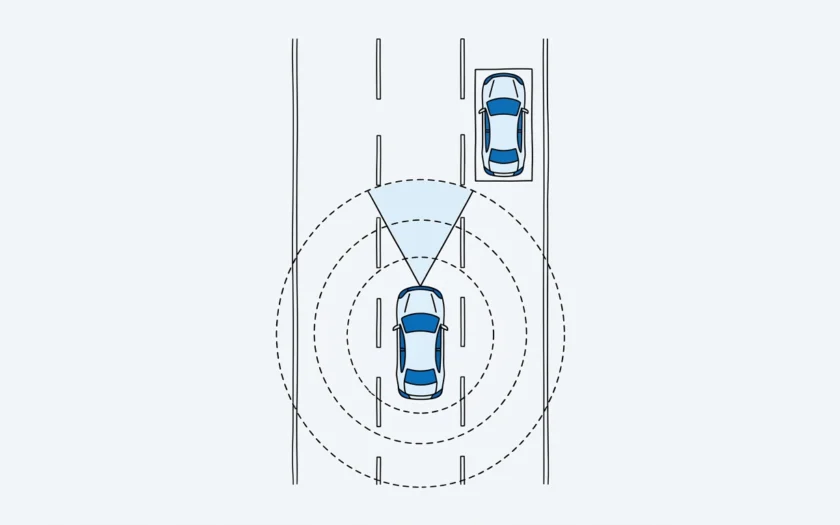 Autonomous Driving
In ADAS Development, 95% Accuracy Isn’t a Win. It’s a Liability.
ADAS operates in a risk environment where failures mean recalls, regulatory scrutiny, or safety incidents. That changes how data annotation must be approached.
Read article →
Autonomous Driving
In ADAS Development, 95% Accuracy Isn’t a Win. It’s a Liability.
ADAS operates in a risk environment where failures mean recalls, regulatory scrutiny, or safety incidents. That changes how data annotation must be approached.
Read article →
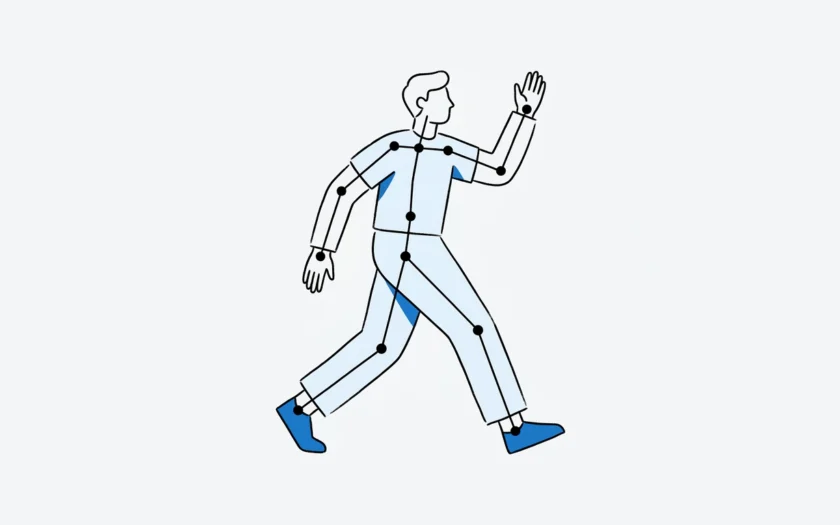 Computer Vision
Great Pose Estimation Models Aren’t Enough. Your Keypoints Decide Performance.
ViTPose, RTMPose, and YOLO-Pose are remarkably capable. Today, model selection is rarely the bottleneck. Annotation quality is.
Read article →
Computer Vision
Great Pose Estimation Models Aren’t Enough. Your Keypoints Decide Performance.
ViTPose, RTMPose, and YOLO-Pose are remarkably capable. Today, model selection is rarely the bottleneck. Annotation quality is.
Read article →
 Vietnam
Best Data Annotation Companies in Vietnam: A Buyer’s Shortlist
A shortlist of Vietnamese annotation providers and the criteria that actually separate them.
Read article →
Vietnam
Best Data Annotation Companies in Vietnam: A Buyer’s Shortlist
A shortlist of Vietnamese annotation providers and the criteria that actually separate them.
Read article →
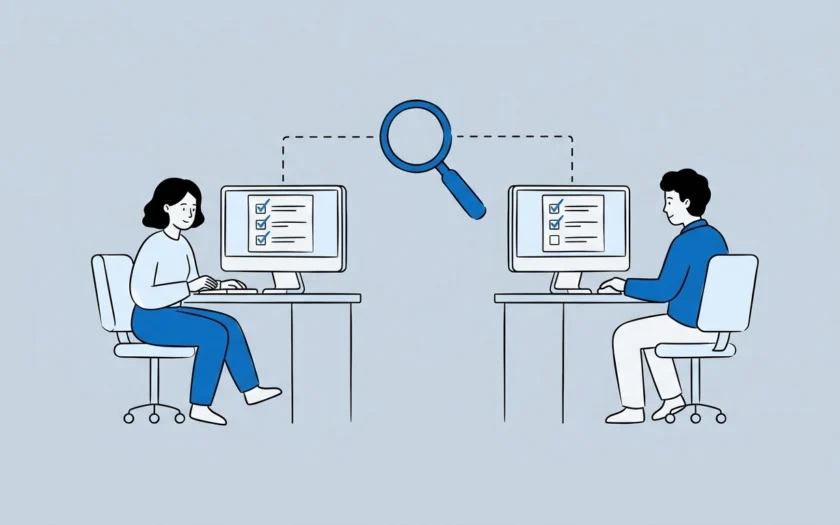 Guides
How to Choose a Data Annotation Partner: A Practical Checklist
Picking the wrong labeling vendor costs more than money. Here is what to check before you sign.
Read article →
Guides
How to Choose a Data Annotation Partner: A Practical Checklist
Picking the wrong labeling vendor costs more than money. Here is what to check before you sign.
Read article →
 NLP and LLM
RLHF Preference Data: What Makes Human Feedback Useful
How preference data is collected for LLM alignment and how to keep it consistent.
Read article →
NLP and LLM
RLHF Preference Data: What Makes Human Feedback Useful
How preference data is collected for LLM alignment and how to keep it consistent.
Read article →
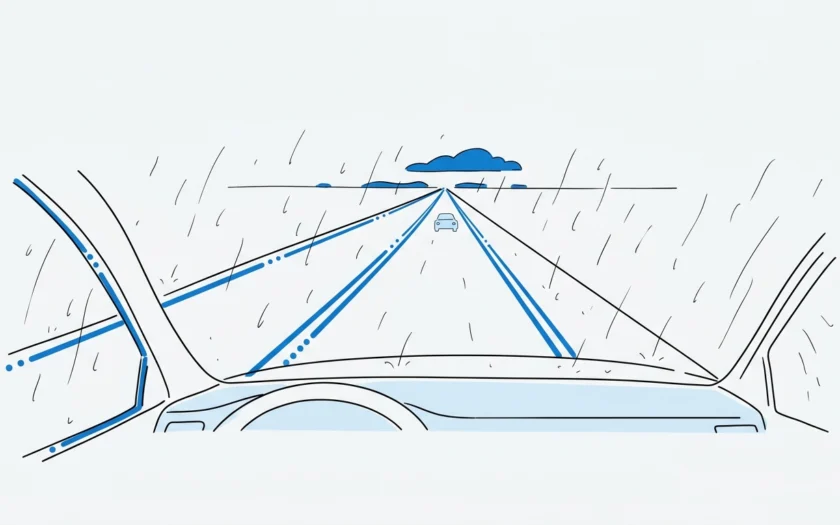 Autonomous Driving
Why Lane Detection Models Top Benchmarks but Fail in the Rain
The gap between benchmark and real-world lane detection comes from training data, not model architecture.
Read article →
Autonomous Driving
Why Lane Detection Models Top Benchmarks but Fail in the Rain
The gap between benchmark and real-world lane detection comes from training data, not model architecture.
Read article →
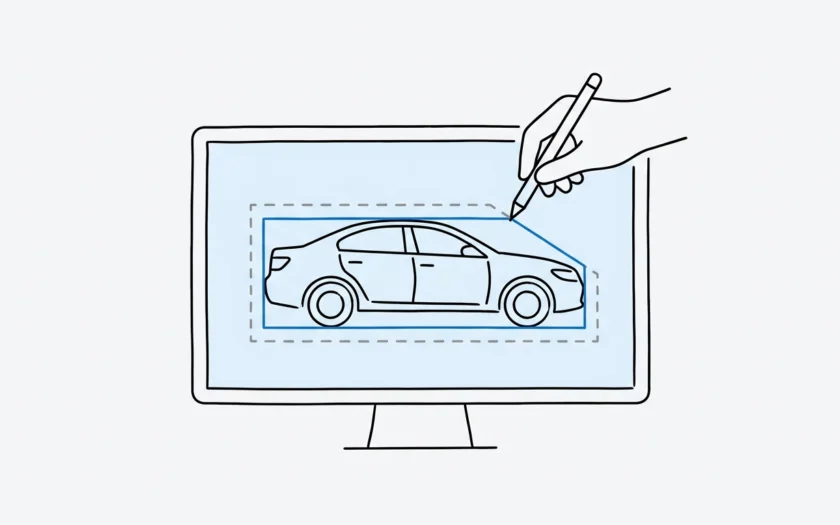 Guides
Pre-Labeling and Human-in-the-Loop: Faster Annotation Without Losing Quality
When model-assisted labeling pays off, and how to avoid pre-annotation bias.
Read article →
Guides
Pre-Labeling and Human-in-the-Loop: Faster Annotation Without Losing Quality
When model-assisted labeling pays off, and how to avoid pre-annotation bias.
Read article →
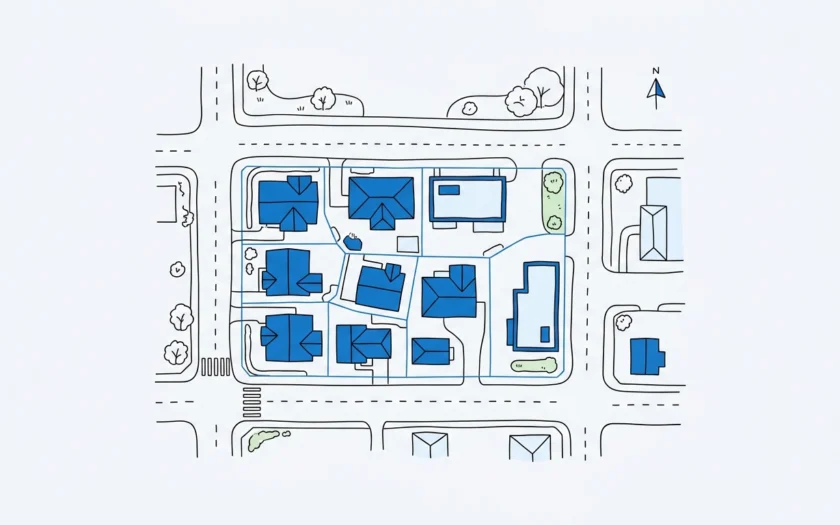 Geospatial
A Practical Guide to Satellite and Aerial Imagery Annotation
Resolution, tiling, classes and QA for labeling satellite, aerial and drone imagery.
Read article →
Geospatial
A Practical Guide to Satellite and Aerial Imagery Annotation
Resolution, tiling, classes and QA for labeling satellite, aerial and drone imagery.
Read article →
 Computer Vision
Bounding Boxes vs. Polygons: Choosing the Right Annotation Type
When a box is enough, and when your model needs precise outlines.
Read article →
Computer Vision
Bounding Boxes vs. Polygons: Choosing the Right Annotation Type
When a box is enough, and when your model needs precise outlines.
Read article →
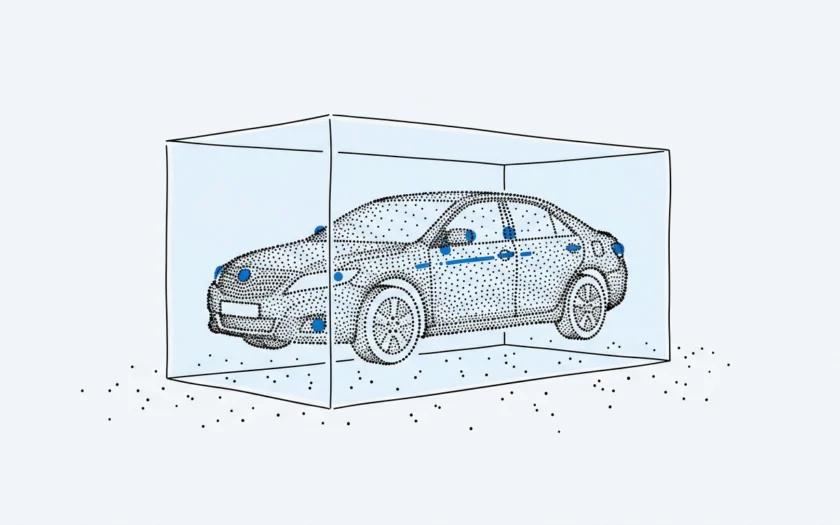 Autonomous Driving
LiDAR Annotation Explained: Cuboids, Segmentation and Sensor Fusion
A plain-language guide to labeling 3D point clouds for perception.
Read article →
Autonomous Driving
LiDAR Annotation Explained: Cuboids, Segmentation and Sensor Fusion
A plain-language guide to labeling 3D point clouds for perception.
Read article →
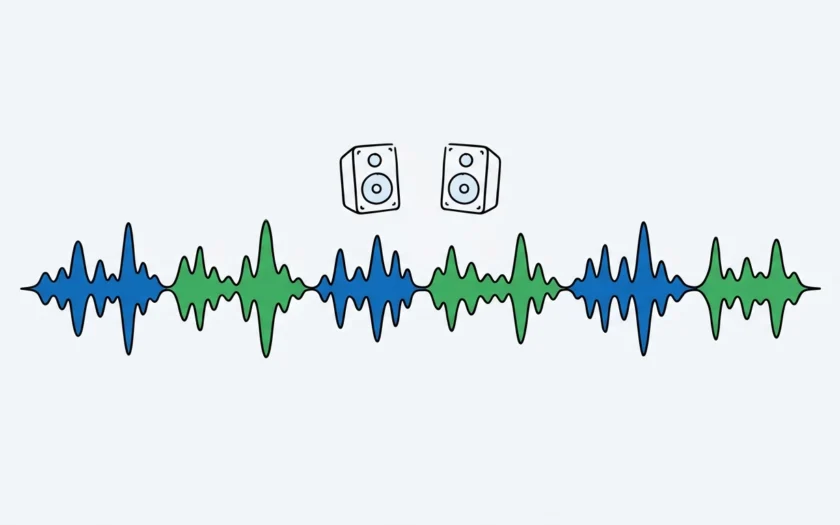 Audio
Speaker Diarization Annotation: Labeling Who Spoke When
What diarization labels contain, how DER is measured and where human review matters most.
Read article →
Audio
Speaker Diarization Annotation: Labeling Who Spoke When
What diarization labels contain, how DER is measured and where human review matters most.
Read article →
 Guides
In-House vs. Outsourced Data Labeling: Cost and Quality Trade-offs
A realistic comparison of building a labeling team versus hiring a partner.
Read article →
Guides
In-House vs. Outsourced Data Labeling: Cost and Quality Trade-offs
A realistic comparison of building a labeling team versus hiring a partner.
Read article →
Start with a free pilot
Tell us about your data and requirements. We'll return an annotated sample with a precise quote, usually within a few working days.
Thank you.
We’ve received your request and will be in touch soon.