At first glance, crowdsourcing feels like a shortcut: fast setup, low cost per task, and a massive workforce on demand. Upload tasks, get labels, move on. Here is how the reality breaks down.
1. Speed vs. Stability
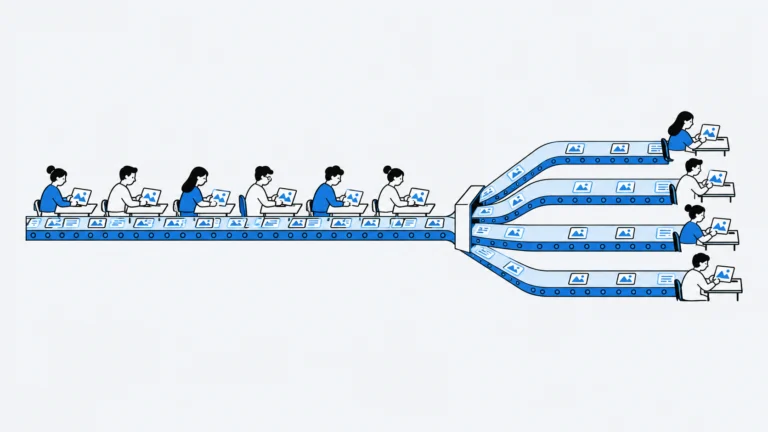
Crowdsourcing is fast to start, but consistency suffers: different annotators, different interpretations, different quality levels. Every batch feels slightly different. Managed teams trade a little initial speed for long-term stability, with the same people, the same training, and the same context. That consistency compounds over time.
2. Cost vs. True Cost
Crowdsourcing looks cheaper per label. But count the time spent on:
- Filtering low-quality work
- Building internal QA layers
- Re-labeling incorrect data
- Managing edge-case confusion
You do not eliminate those costs; you absorb them. Managed teams bundle them into structured workflows. You pay more per unit but often less per usable dataset.
3. Instructions vs. Understanding
Crowdsourcing relies heavily on written instructions, and instructions have limits. Without direct communication, annotators guess at edge cases, ambiguity, and context, and guesses introduce noise. Managed teams ask questions, flag inconsistencies, and improve guidelines over time. It is not just execution. It is collaboration.
4. Scale vs. Control
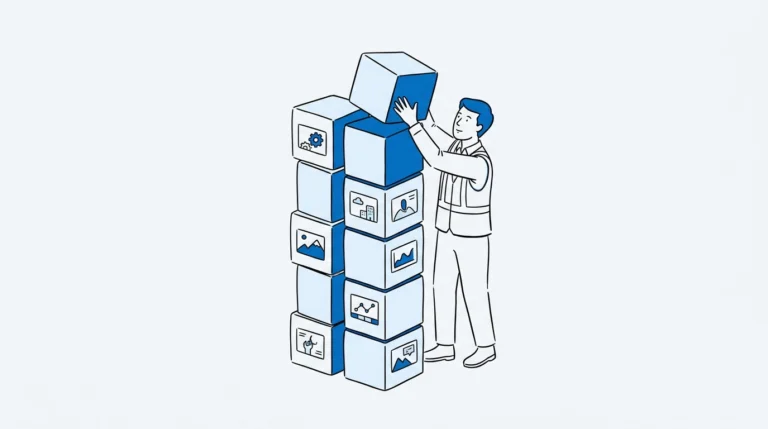
Crowdsourcing scales instantly, but control is minimal. Who labeled your data? How experienced are they? Are they consistent across batches? Managed teams scale more deliberately but with visibility: dedicated annotators, QA checkpoints, and performance tracking.
5. Use Case Matters
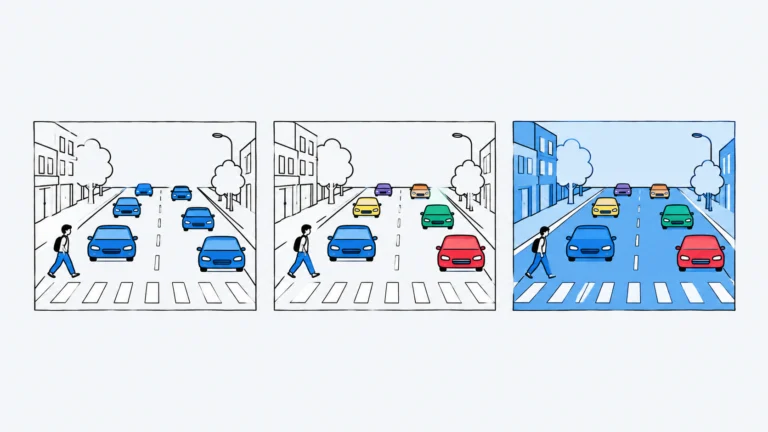
Crowdsourcing works well for simple classification, non-sensitive data, and early-stage experiments. Managed teams are better for complex annotation (segmentation, NLP nuance, 3D), domain-specific projects, long-term production pipelines, and high-stakes applications.
The Blunt Truth
Crowdsourcing optimizes for volume. Managed teams optimize for quality and consistency. Choosing between them is not about budget; it is about risk tolerance. If annotation errors do not matter much, crowdsourcing is fine. If your model depends on precision, you need structure.
Before deciding, ask: are you collecting labels, or building a reliable training dataset?
About Smart Annotahub
Smart Annotahub is a managed data annotation company based in Ha Noi, Viet Nam. Our in-house annotators, QA leads and project managers turn raw image, video, 3D, geospatial, text and audio data into training-ready datasets for teams building computer vision, robotics and language AI. Every project starts with a free pilot, runs on your guidelines and tools, and ships with multi-stage quality checks.
Our Services
Frequently Asked Questions
How does the free pilot work?
Send us a sample of your data and your guidelines. We annotate it at no cost, report accuracy and turnaround, and return a precise quote, usually within a few working days.
How do you ensure annotation quality?
Every batch passes annotator self-checks, peer review and a dedicated QA lead. We agree accuracy targets up front and share QA reports with each delivery.
Can you work in our annotation tool?
Yes. Our team works in your platform or ours and delivers in the formats your pipeline expects, such as COCO, YOLO, Pascal VOC or custom JSON.
How is my data kept secure?
All work is done by our in-house team under NDA, with role-based access and no data leaving approved environments. See our Data Privacy Notice for details.
How is pricing calculated?
Per object, per hour or per project, depending on the task. See Pricing for reference rates, or request a pilot for an exact quote.
Want to see the difference on your own data?
Request Free Pilot