Physical AI, from robots and autonomous vehicles to warehouse automation, faces a problem that compute alone cannot solve.
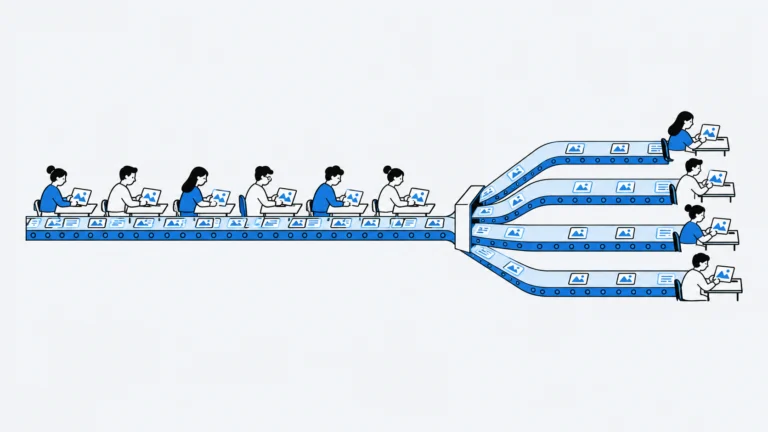
While language models train on billions of web pages and vision models on hundreds of millions of images, embodied AI has access to only a fraction of that data. Google’s RT-1 collected about 130,000 robot trajectories over 17 months. The Open X-Embodiment project reached roughly 1 million by combining data from multiple labs.
You can’t scrape robotic experience from the internet. Every training example must be physically performed, recorded, and labeled.
Why Physical AI Labeling Is Different
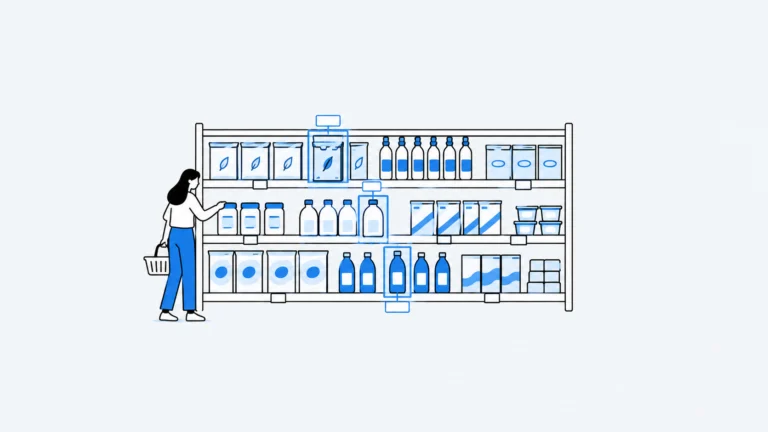
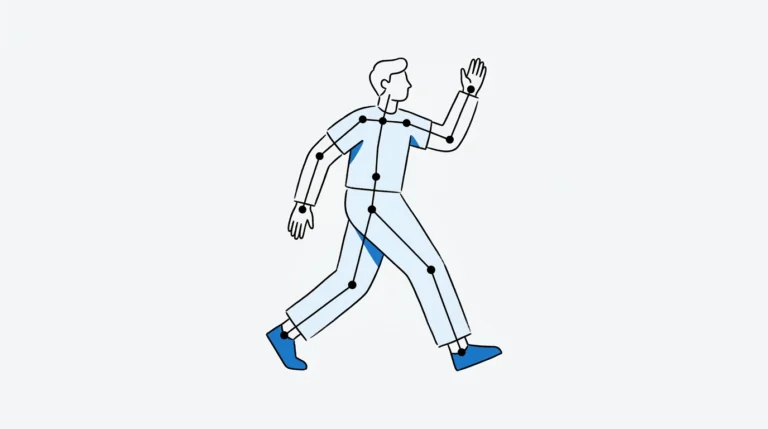
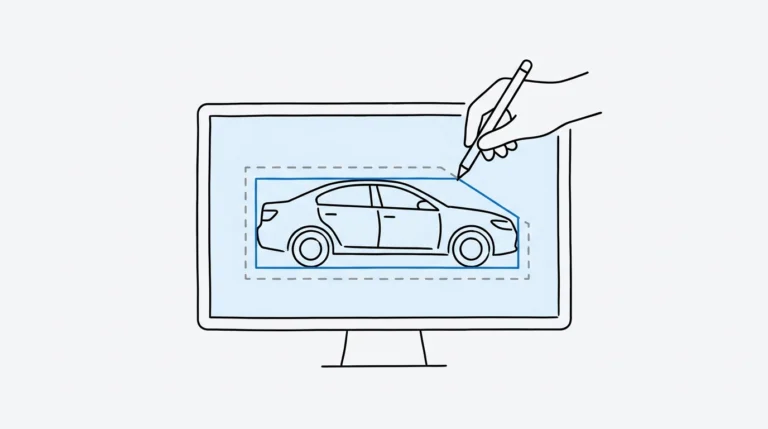
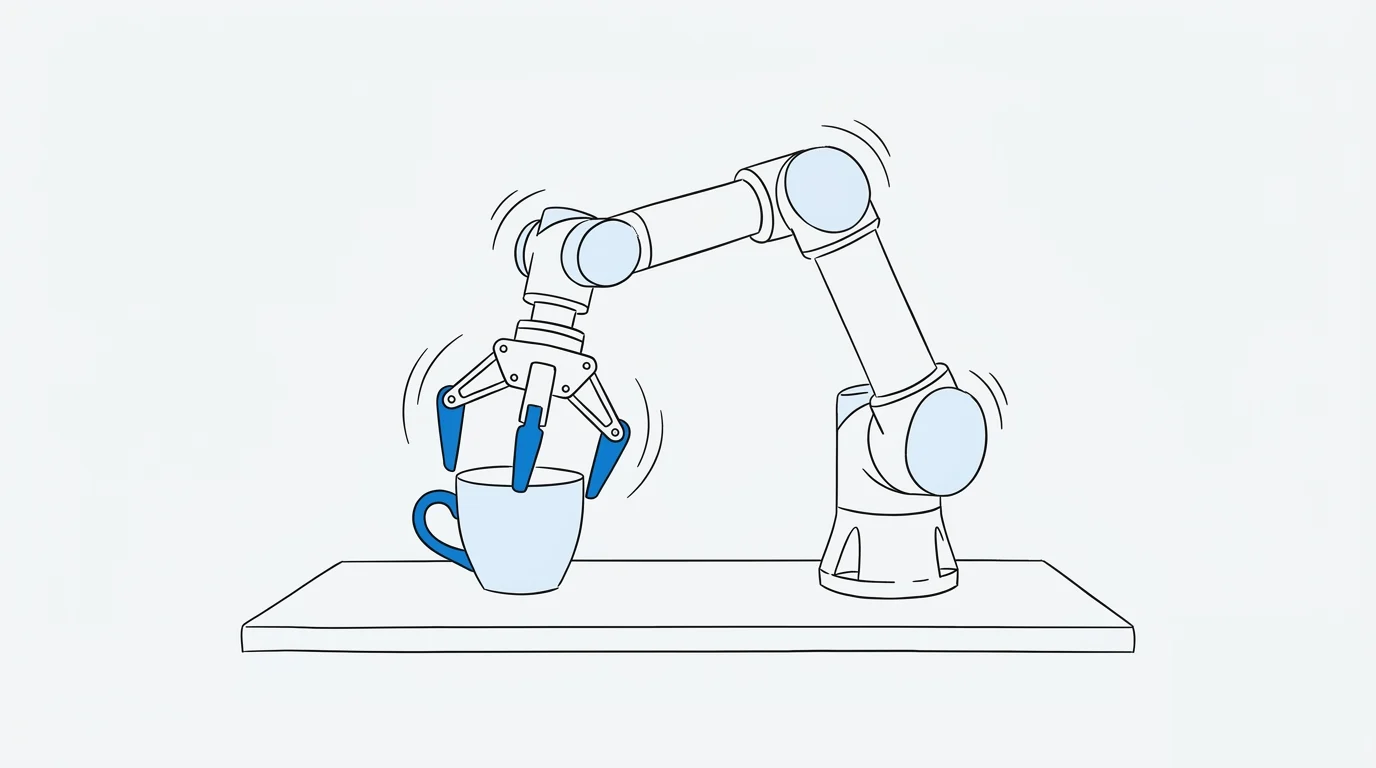
A bounding box around a cup is not enough for a robot. It needs 3D pose information, grasp points, depth, geometry, and synchronized sensor views. Small annotation errors can mean a failed grasp, or far worse in autonomous driving.
Production-grade Physical AI depends on:
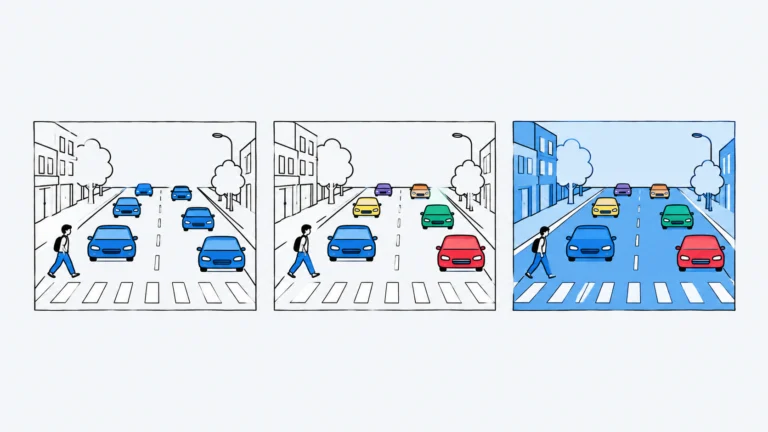
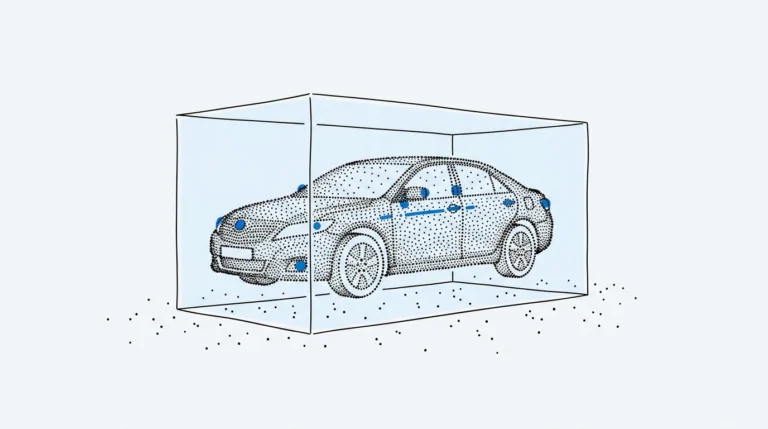
- 3D point cloud and LiDAR annotation: precise object position and orientation in space
- Multi-frame tracking: consistent object identities across sequences
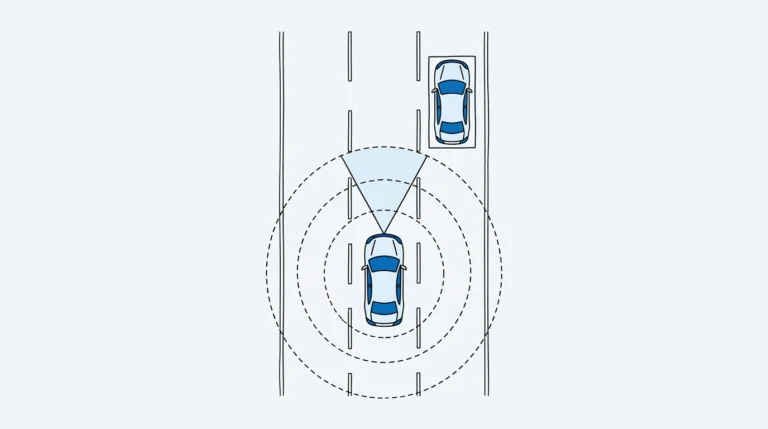
- Sensor fusion alignment: cameras, LiDAR, and other sensors agreeing on the same object
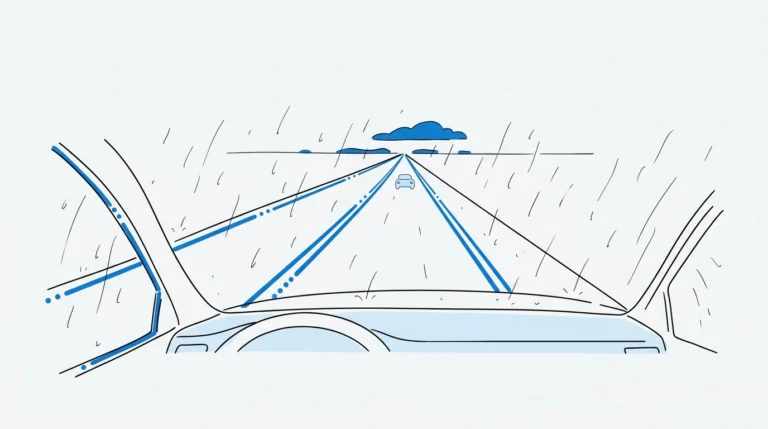
- Edge-case curation: capturing the rare scenarios where models actually fail
Simulation Doesn’t Solve It Alone
Tools like NVIDIA Isaac Sim generate scale, but they cannot fully replicate real-world sensor noise, lighting variation, or unpredictable human behavior. Simulation-trained systems still require real labeled data before deployment.
What Successful Teams Do
The teams that succeed treat data pipelines with the same rigor as model development. They build annotation schemas around real deployment failures, systematically mine edge cases, and version datasets to track regressions.
The teams that struggle treat labeling as a secondary task, something to outsource cheaply before the “real work” begins. Then the same failures keep reappearing in production.
The physical world is the hardest training environment that exists. The data behind it deserves the same engineering attention as the models themselves.
About Smart Annotahub
Smart Annotahub is a managed data annotation company based in Ha Noi, Viet Nam. Our in-house annotators, QA leads and project managers turn raw image, video, 3D, geospatial, text and audio data into training-ready datasets for teams building computer vision, robotics and language AI. Every project starts with a free pilot, runs on your guidelines and tools, and ships with multi-stage quality checks.
Our Services
Frequently Asked Questions
How does the free pilot work?
Send us a sample of your data and your guidelines. We annotate it at no cost, report accuracy and turnaround, and return a precise quote, usually within a few working days.
How do you ensure annotation quality?
Every batch passes annotator self-checks, peer review and a dedicated QA lead. We agree accuracy targets up front and share QA reports with each delivery.
Can you work in our annotation tool?
Yes. Our team works in your platform or ours and delivers in the formats your pipeline expects, such as COCO, YOLO, Pascal VOC or custom JSON.
How is my data kept secure?
All work is done by our in-house team under NDA, with role-based access and no data leaving approved environments. See our Data Privacy Notice for details.
How is pricing calculated?
Per object, per hour or per project, depending on the task. See Pricing for reference rates, or request a pilot for an exact quote.
Want to see the difference on your own data?
Request Free Pilot