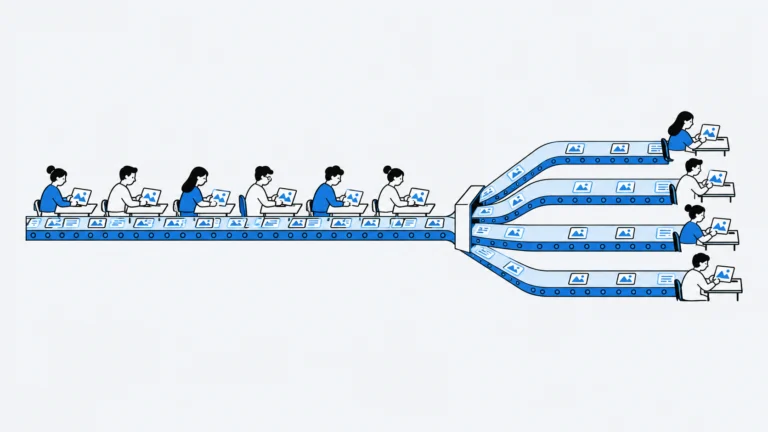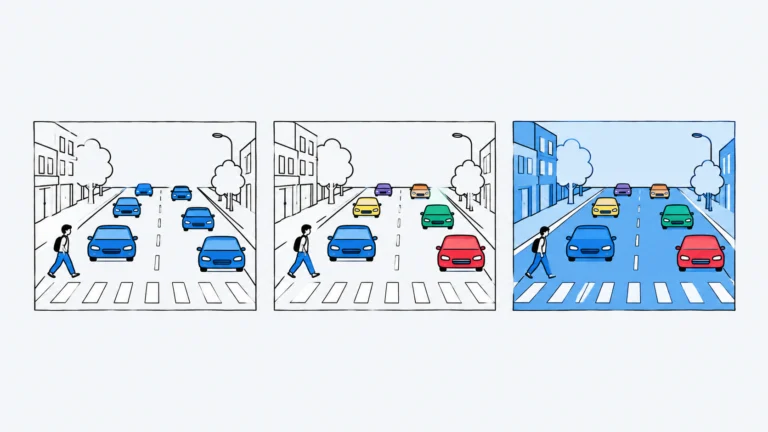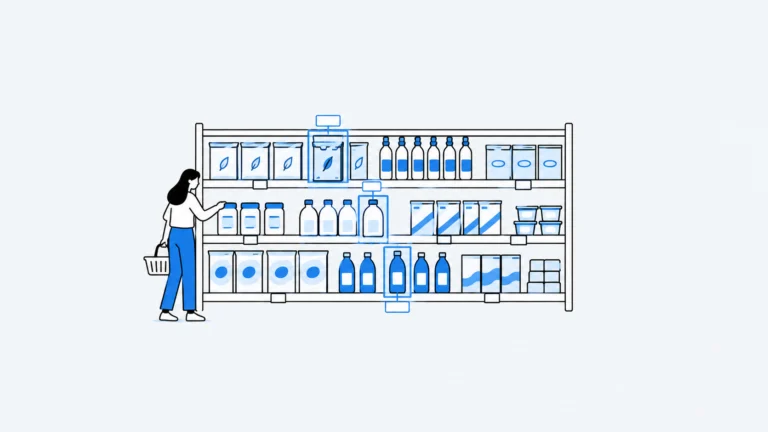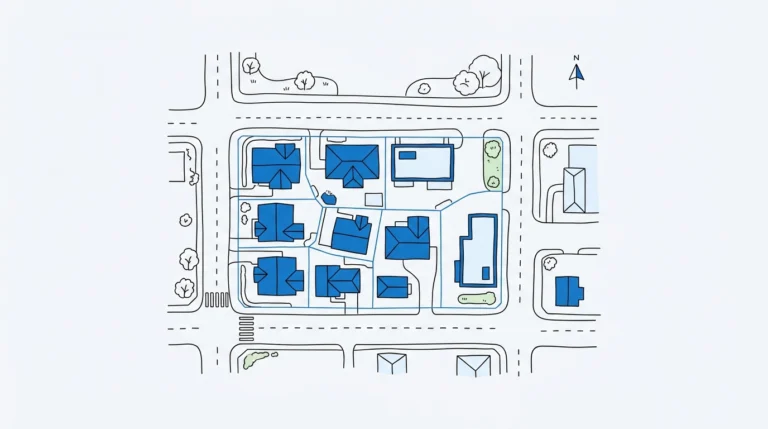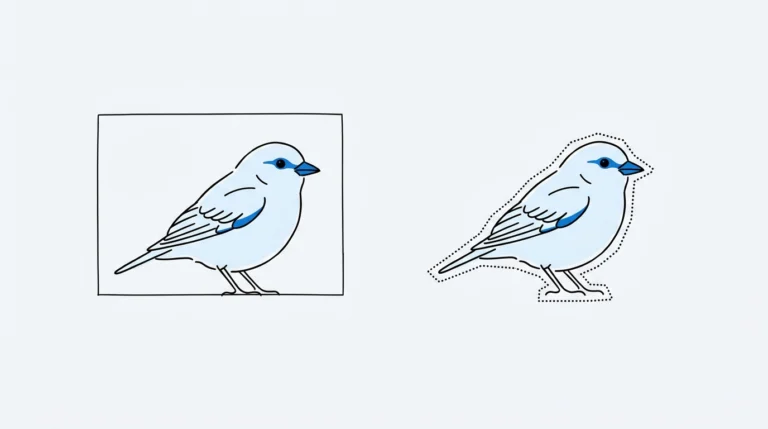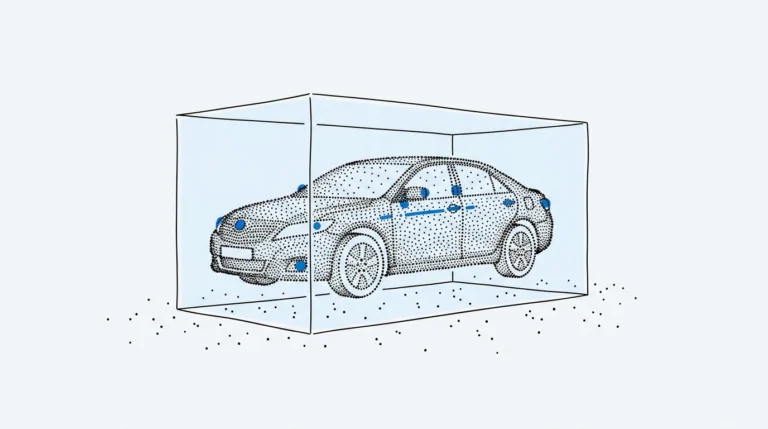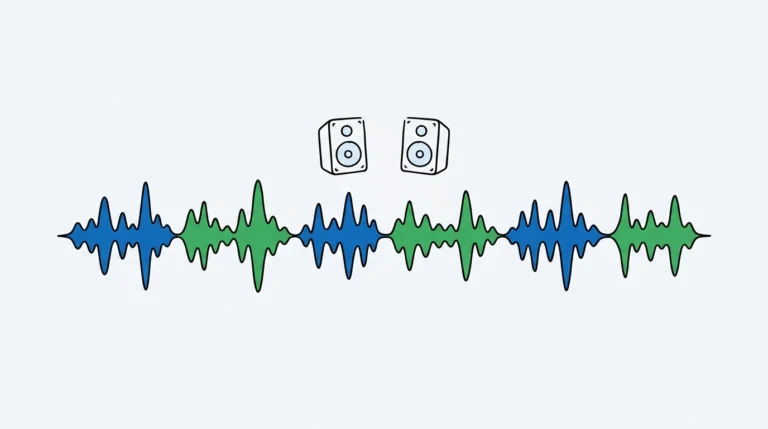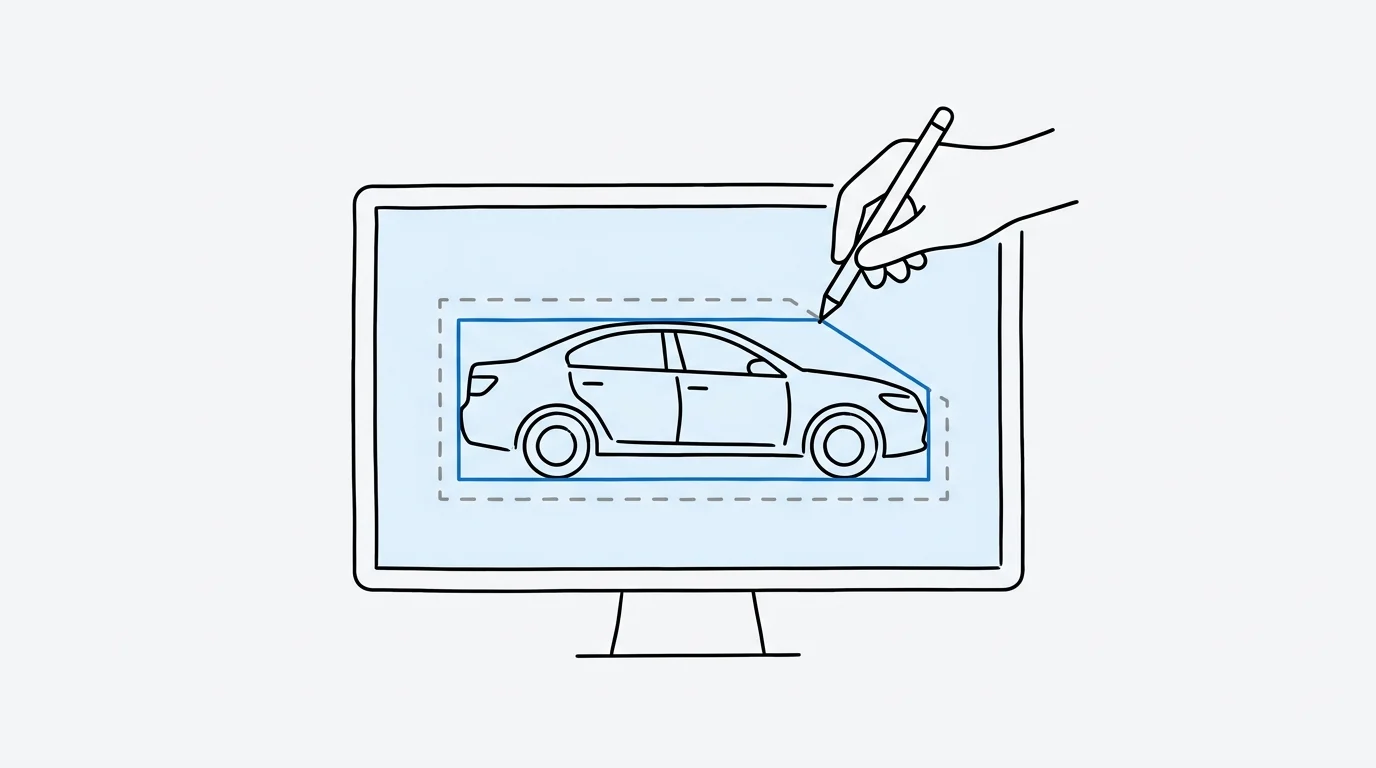
Most annotation projects today are not labeled from scratch. A model proposes boxes, masks or transcripts, and people accept, fix or reject them. This human-in-the-loop approach is one of the biggest efficiency gains in data labeling, as long as its risks are managed.
When Pre-Labeling Pays Off
- The model is already reasonably accurate on your data
- Objects are common and visually clear
- Corrections are quicker than drawing, as with tight polygons or long transcripts
- Volume is high enough that small time savings add up
When It Backfires
If the model is weak, reviewers spend more time deleting and redrawing than they would drawing fresh. Worse, research on pre-annotation bias shows that people tend to accept suggestions that look plausible, so the model’s blind spots can quietly carry over into the ground truth.
Pre-labels should speed people up, not make their decisions for them.
How to Keep Humans in Control
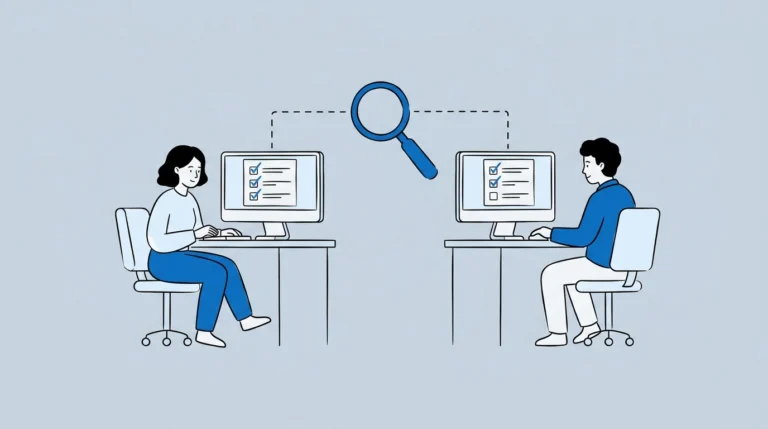
- Measure against a from-scratch sample. Label a small set without suggestions and compare it with corrected pre-labels
- Track edit rates. A reviewer who never edits is a warning sign, not a star
- Route low-confidence items to experienced annotators first
- Refresh the model with corrected data so suggestions improve batch by batch
Active Learning: Label What Matters
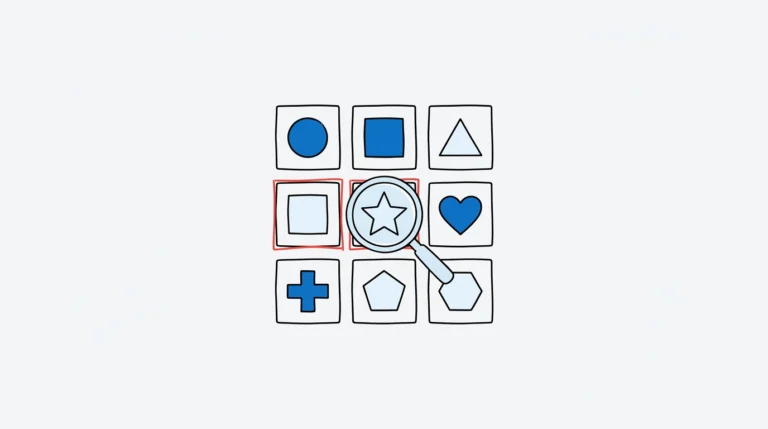
Pair pre-labeling with active learning, where the model flags the samples it is least sure about. Humans spend their time on edge cases the model cannot yet handle, instead of on thousands of easy examples it already gets right.
Our Approach
Smart Annotahub works with your pre-labels or model outputs when they help, and our QA leads monitor edit rates and from-scratch benchmarks so speed never comes at the cost of accuracy.
About Smart Annotahub
Smart Annotahub is a managed data annotation company based in Ha Noi, Viet Nam. Our in-house annotators, QA leads and project managers turn raw image, video, 3D, geospatial, text and audio data into training-ready datasets for teams building computer vision, robotics and language AI. Every project starts with a free pilot, runs on your guidelines and tools, and ships with multi-stage quality checks.
Our Services
Frequently Asked Questions
How does the free pilot work?
Send us a sample of your data and your guidelines. We annotate it at no cost, report accuracy and turnaround, and return a precise quote, usually within a few working days.
How do you ensure annotation quality?
Every batch passes annotator self-checks, peer review and a dedicated QA lead. We agree accuracy targets up front and share QA reports with each delivery.
Can you work in our annotation tool?
Yes. Our team works in your platform or ours and delivers in the formats your pipeline expects, such as COCO, YOLO, Pascal VOC or custom JSON.
How is my data kept secure?
All work is done by our in-house team under NDA, with role-based access and no data leaving approved environments. See our Data Privacy Notice for details.
How is pricing calculated?
Per object, per hour or per project, depending on the task. See Pricing for reference rates, or request a pilot for an exact quote.
Want to see the difference on your own data?
Request Free Pilot