By 2026, 60% of U.S. retailers are scaling store intelligence, yet only 33% have invested in the shelf-level data these systems depend on.
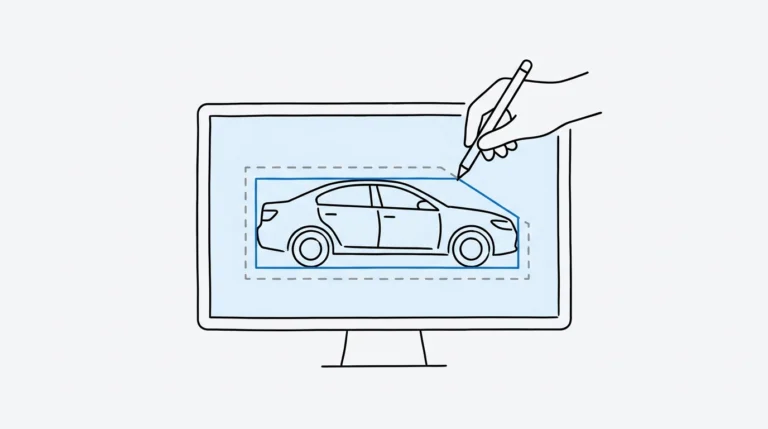
That gap is where many retail AI projects quietly fail. Companies like Everseen, Simbe, and Sam’s Club showcase impressive AI deployments, but behind every successful system is one critical asset: high-quality annotated data. The biggest challenge is not training the model. It is building and maintaining the dataset.
Shelf Intelligence
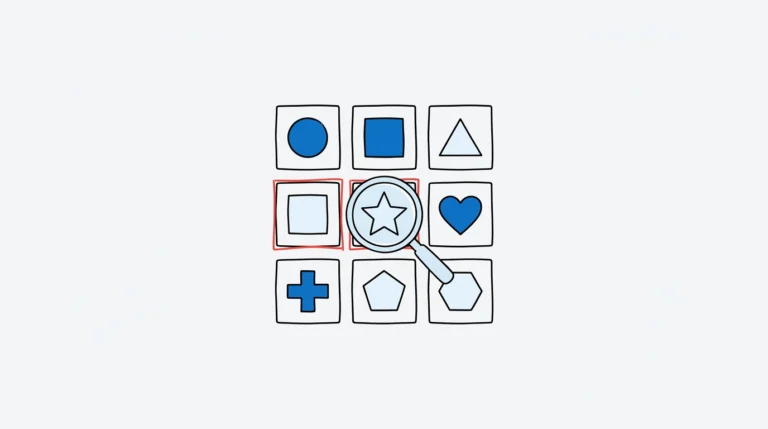
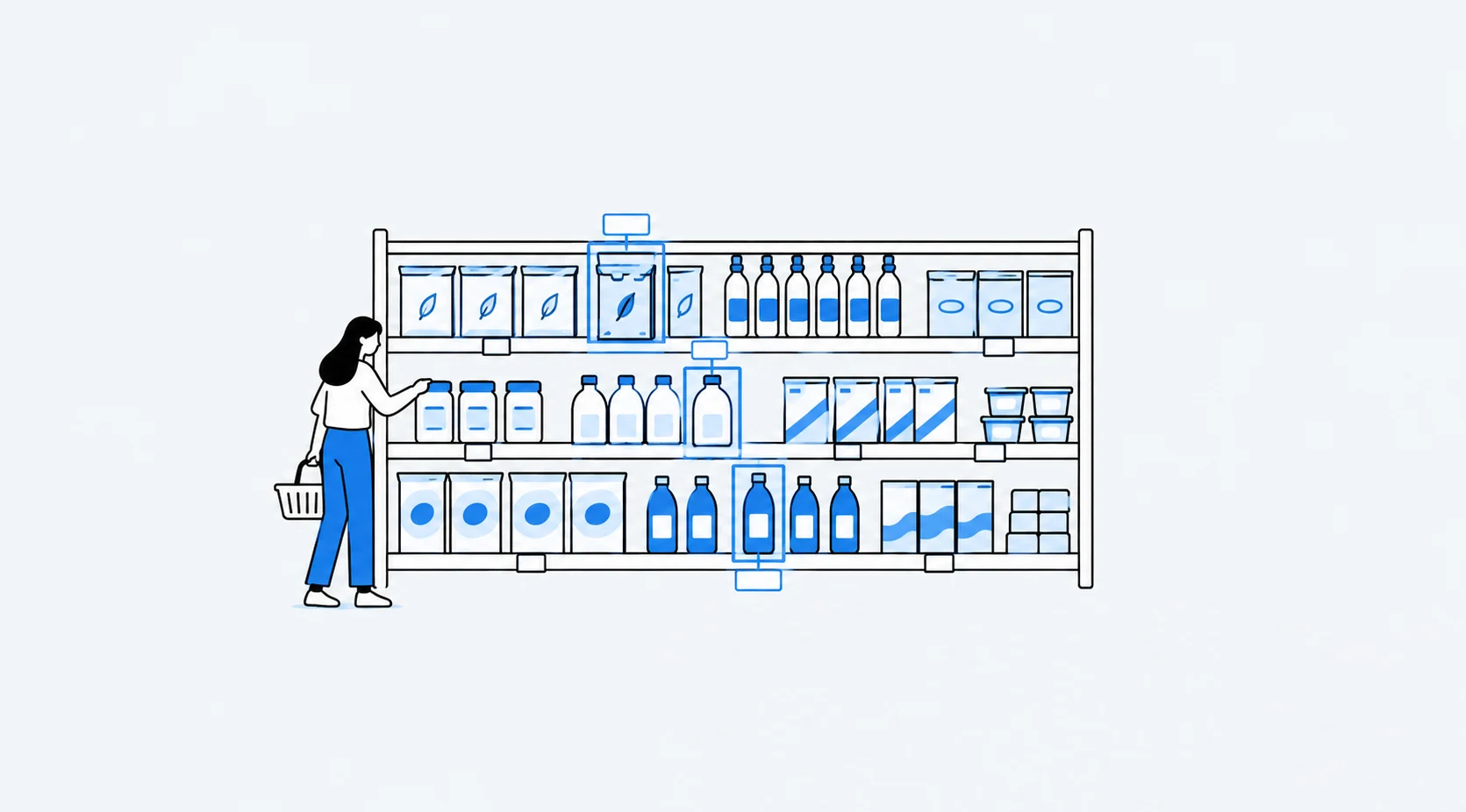
A shelf monitoring system needs far more than object detection. It requires:
- Product localization
- Shelf segmentation
- Facing counts
- OCR for price tags
- Product-to-price matching
Research shows the same task can reach 99% mAP on clean data but only 58% mAP on realistic store images with occlusion, reflections, and crowded shelves. The difference is not the model. It is the data.
Customer Interaction
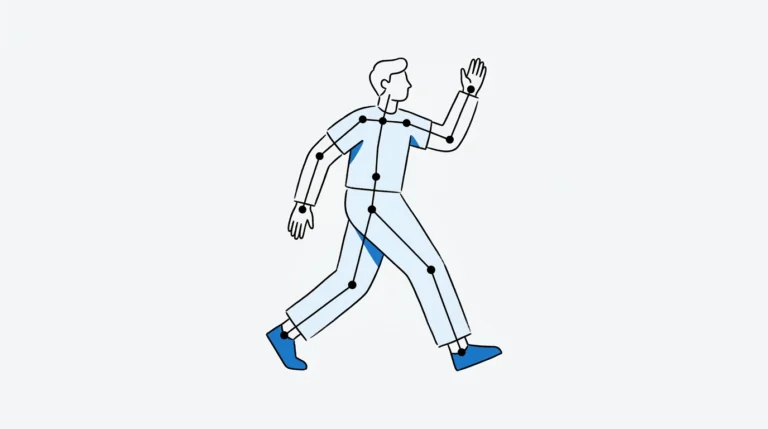
Recognizing a shopper is not enough. Retail AI must determine who touched which product, when, and what happened next. Even with advanced pose tracking, researchers still rely on human annotators to label interaction boundaries accurately.
Loss Prevention
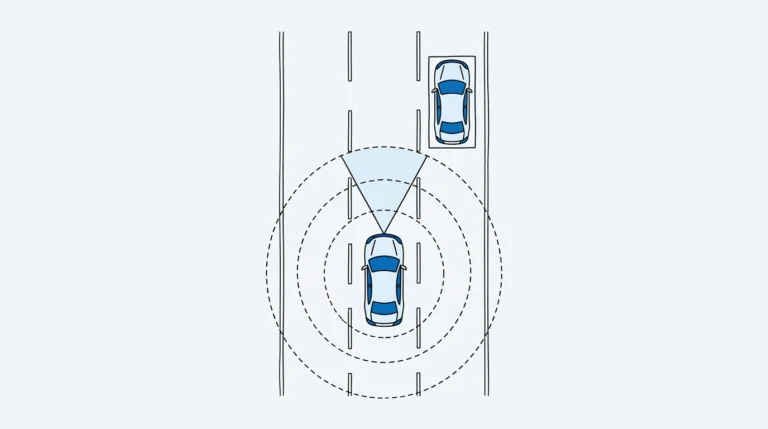
This remains one of the hardest computer vision problems. Rare events, changing store layouts, evolving product assortments, and privacy constraints mean datasets become outdated quickly. Recent research shows continuously updated datasets outperform static training in over 90% of evaluations.
The Takeaway
- Better labels often improve production performance more than larger models
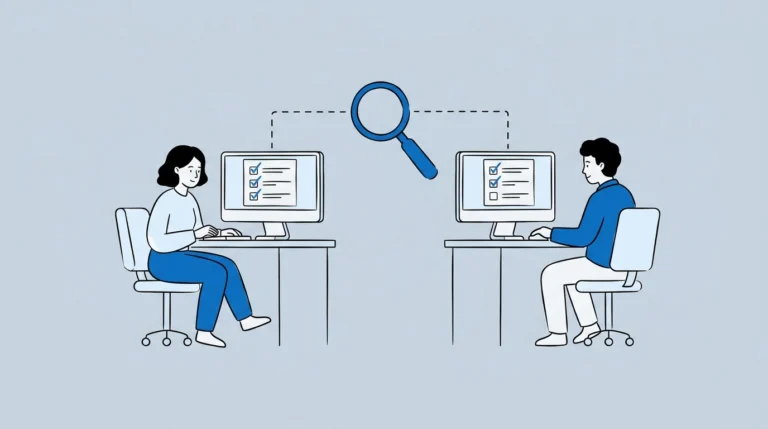
- Annotation is no longer a one-time task; it is an ongoing data engineering process
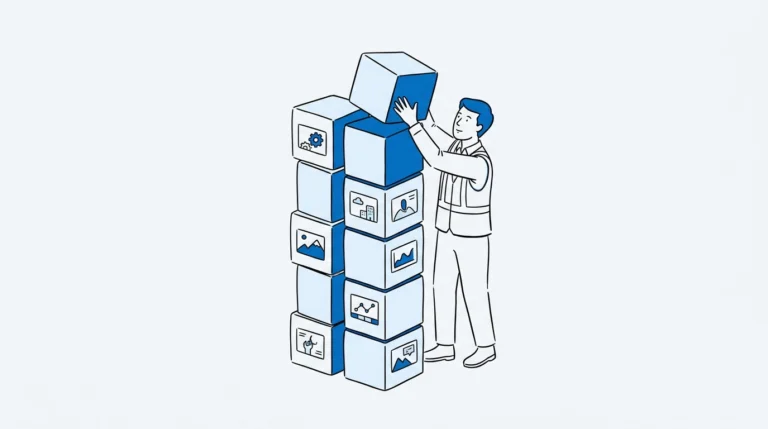
The teams succeeding in retail AI are not just building better models. They are building better data infrastructure, with an annotation strategy that scales as well as their deployment.
About Smart Annotahub
Smart Annotahub is a managed data annotation company based in Ha Noi, Viet Nam. Our in-house annotators, QA leads and project managers turn raw image, video, 3D, geospatial, text and audio data into training-ready datasets for teams building computer vision, robotics and language AI. Every project starts with a free pilot, runs on your guidelines and tools, and ships with multi-stage quality checks.
Our Services
Frequently Asked Questions
How does the free pilot work?
Send us a sample of your data and your guidelines. We annotate it at no cost, report accuracy and turnaround, and return a precise quote, usually within a few working days.
How do you ensure annotation quality?
Every batch passes annotator self-checks, peer review and a dedicated QA lead. We agree accuracy targets up front and share QA reports with each delivery.
Can you work in our annotation tool?
Yes. Our team works in your platform or ours and delivers in the formats your pipeline expects, such as COCO, YOLO, Pascal VOC or custom JSON.
How is my data kept secure?
All work is done by our in-house team under NDA, with role-based access and no data leaving approved environments. See our Data Privacy Notice for details.
How is pricing calculated?
Per object, per hour or per project, depending on the task. See Pricing for reference rates, or request a pilot for an exact quote.
Want to see the difference on your own data?
Request Free Pilot